Home / War and Conflict / Ukraine's Drone Wars: Interceptors vs. Shaheds
Ukraine's Drone Wars: Interceptors vs. Shaheds
6 Mar
Summary
- Ukraine develops cheap drone interceptors to combat Russian aerial threats.
- Interceptor costs range from $700 to $12,000, a fraction of missile costs.
- Ukraine aims to produce 1,000 drone interceptors daily for defense.
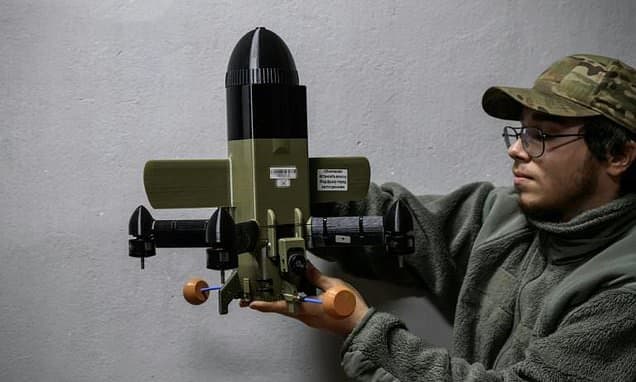
Ukraine has pioneered a unique defense industry focused on developing drone interceptors, enabling the nation to down hundreds of Russian drones daily. This initiative is a direct response to Russia's escalating use of Iranian-designed Shahed drones, which have been employed against both Ukraine and Gulf states.
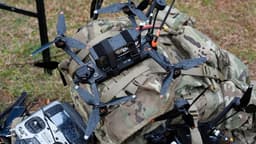
These Ukrainian-developed interceptors are designed as inexpensive, single-use drones, often featuring camera systems for remote piloting. Their cost ranges from $700 to $12,000, significantly less than traditional air defense missiles. Ukraine's goal is to produce up to 1,000 interceptors each day.
The effectiveness of these interceptors is substantial, with reports indicating they are responsible for downing approximately 70 percent of drones targeting Kyiv and its surrounding regions. This innovation represents a critical evolution in warfare, shifting from drones targeting ground assets to a primary focus on drone-versus-drone combat.
Beyond specialized interceptors, Ukraine employs traditional anti-aircraft guns, including mounted heavy machine guns and improvised setups on pickup trucks. Man-portable air-defense systems and electronic jamming technologies are also utilized to disrupt drone navigation and operations, contributing to Ukraine's success in intercepting over 80 percent of incoming Russian drones.