Home / War and Conflict / Sudan Refugees Face Aid Gap in Chad
Sudan Refugees Face Aid Gap in Chad
1 Dec
Summary
- Refugees fleeing Sudan rely on fellow refugees for food.
- Child malnutrition is rampant, with one in four children affected.
- US aid cuts significantly impact UNHCR's ability to help refugees.
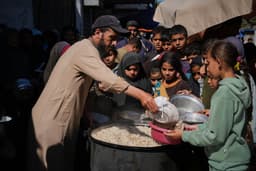
At a transit camp in Tine, Chad, Sudanese refugees fleeing violence in al-Fashir find minimal international humanitarian aid. Survivors of RSF attacks, including women who have endured sexual violence, now rely on donations from fellow refugees for basic sustenance. This mutual support highlights the growing crisis as food becomes scarce.
The situation is particularly grim for children. Médecins Sans Frontières reports that approximately one in four children examined at the camp are malnourished, a problem worsening with new arrivals. While the World Food Program has resumed limited distributions to vulnerable groups, overall resources are shifted away from the border.
Compounding these challenges are substantial cuts to U.S. foreign aid. UNHCR's funding has dropped significantly, hindering their ability to relocate refugees to safer inland camps due to insufficient resources for water, sanitation, and shelter. This leaves thousands of new arrivals in precarious conditions, often with only plastic tarps for protection.