
Home / War and Conflict / Secret Fleet Navigates Hormuz Under Fire and Blockade
Secret Fleet Navigates Hormuz Under Fire and Blockade
30 Apr
Summary
- A Thai cargo ship was struck by projectiles in the Strait of Hormuz.
- A 'shadow fleet' uses fake flags and disabled signals to evade detection.
- Tracking revealed 202 voyages through the strait during conflict and blockade.
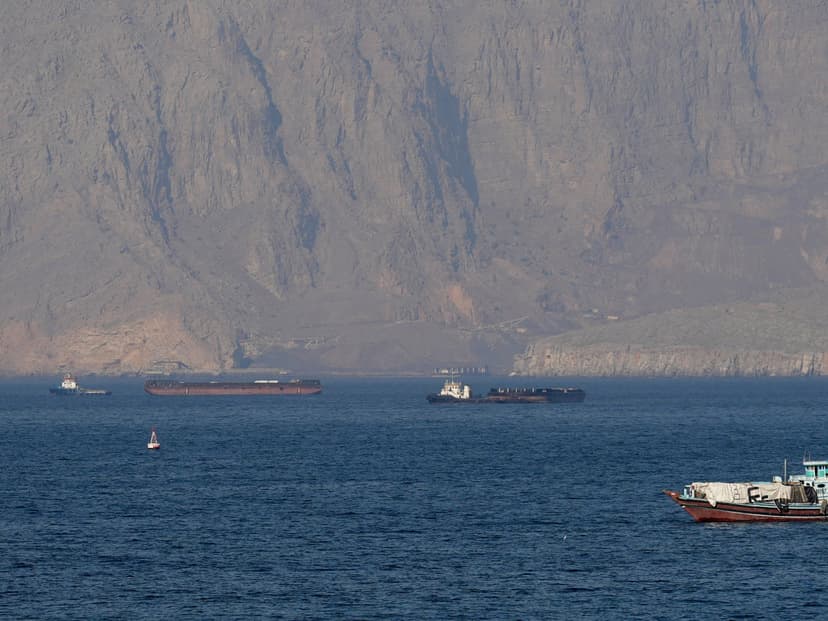
On March 11, the Thai cargo ship Mayuree Naree was struck by two projectiles while crossing the Strait of Hormuz, an essential global waterway. The incident resulted in a fire and the tragic loss of three sailors, whose remains were recovered weeks later after the vessel ran aground on Iran's Qeshm island.
Simultaneously, a clandestine 'shadow fleet' of tankers navigated these same perilous waters undetected. These vessels operate outside conventional maritime trade rules, utilizing fake flags, disabled signals, and unspecified destinations to evade scrutiny and sanctions.
Following threats from Iran to block 'enemy' ships after a US-Israeli war began on February 28, navigation through the strait was disrupted. Despite a temporary ceasefire on April 8 and a subsequent US naval blockade on Iranian ports on April 13, tracking data revealed that 202 voyages by 185 vessels still occurred between March 1 and April 15.
An investigation found that 77 of these voyages (38.5 percent) were linked to Iran, with 61 ships appearing on international sanctions lists. The shadow fleet adapted rapidly to the US blockade, with smaller vessels like the Iranian cargo ship '13448' and the Panama-flagged Manali successfully breaching it.
Further analysis uncovered widespread manipulation of Automatic Identification System (AIS) trackers, with sanctioned vessels deliberately disabling their signals. The shadow fleet also employed a complex network of 'false flags' and shell companies, with 16 ships identified operating under fake registries from landlocked nations. Operational firms managing these ships were primarily based in Iran, China, Greece, and the UAE, with nearly 19 percent of operators remaining unknown.
Despite intense military pressure, energy carriers dominated traffic, with 68 ships transporting oil, petroleum products, and gas, ten of which were linked to Iran. Non-oil trade also persisted, with 57 bulk and general cargo ships crossing. The crisis has trapped 20,000 sailors on 2,000 ships across the Gulf, an unprecedented situation since World War II.
