
Home / War and Conflict / Russia's Black Sea Coast Choked by Toxic Black Rain
Russia's Black Sea Coast Choked by Toxic Black Rain
30 Apr
Summary
- Ukrainian drone strikes caused an ecological disaster in Tuapse.
- Black rain, toxic smoke, and oil slicks have contaminated the region.
- Volunteers are working to rescue animals and clean polluted beaches.
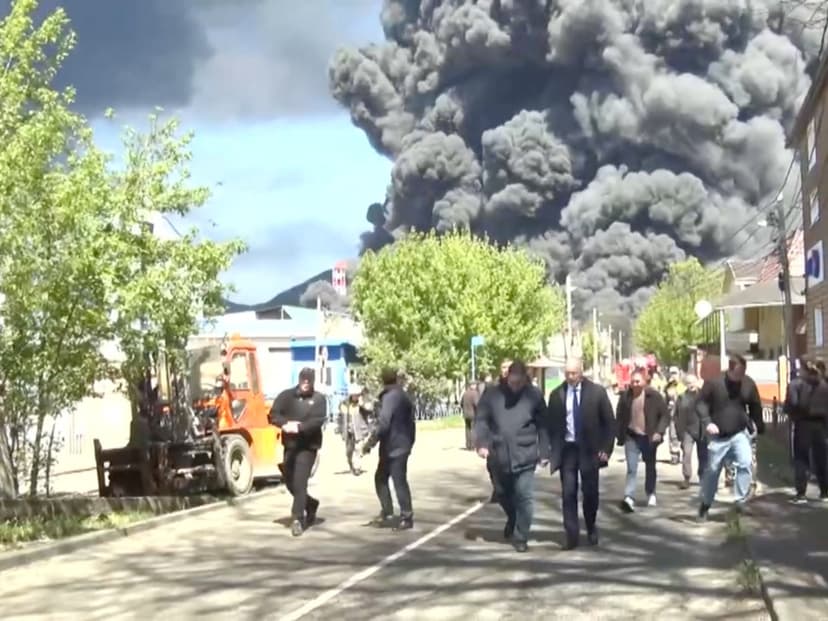
Ukrainian drone attacks on a Tuapse refinery have led to a severe ecological disaster on Russia's Black Sea coast. The strikes, aimed at disrupting the oil industry, caused fires and released toxic chemicals, resulting in benzene and soot levels three times above safe limits. Following the attacks, a phenomenon known as black rain began to fall, coating the town in soot and oil.
Volunteers are working tirelessly to clean up the extensive oil slicks that have spread along the coastline and contaminated the Tuapse River. They are also rescuing distressed animals, including cats, dogs, and birds, which are particularly vulnerable to the toxic effects of the oil. Despite containment efforts and cleanup operations involving excavators and boats, the environmental damage is extensive, with oil pollution affecting a 20-kilometer radius.
Environmentalists warn of long-term consequences for the Black Sea ecosystem, including disruption of the food chain and mass mortality of marine life, which could take years to recover. The town of Tuapse was eventually evacuated due to the unbearable conditions. This incident adds to the environmental toll of the conflict, which has already seen damage to marine mammals and widespread flooding from dam destruction.
