Home / War and Conflict / Ramree Island: Myth vs. Crocodile Mayhem
Ramree Island: Myth vs. Crocodile Mayhem
18 Feb
Summary
- WWII battle on Ramree Island involved Japanese soldiers and mangrove swamps.
- Dramatic tales claim hundreds died from crocodile attacks, but numbers are disputed.
- Historians believe crocodile attacks occurred but exaggerated death tolls.

Ramree Island, off Myanmar's coast, was the site of a significant World War II battle in early 1945. Allied forces captured the island's airfield, prompting Japanese soldiers to retreat into the surrounding mangrove swamps.
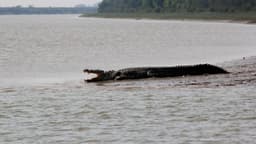
These swamps were known habitats for large saltwater crocodiles. A popular account suggests that Japanese soldiers spent a night in these swamps, with subsequent screams and disturbances indicating numerous crocodile attacks.
Over time, these accounts evolved, with some claiming hundreds of Japanese soldiers were killed by crocodiles, even leading to a Guinness World Records entry for the deadliest crocodile attack. However, historians and wildlife experts express skepticism.
While military records confirm heavy casualties among Japanese troops during the campaign, they do not specifically attribute hundreds of deaths to crocodile predation. Researchers note that distinguishing between combat deaths and potential crocodile-related fatalities in the chaotic retreat is difficult.
Modern scholars generally find partial plausibility in crocodile attacks occurring but consider the widely cited large death tolls to be exaggerated. Saltwater crocodiles, native to coastal Southeast Asia, are capable predators found in such mangrove environments. Their populations have declined significantly in the region due to hunting and habitat loss.
Consequently, the Battle of Ramree Island is often described as one of history's most debated wildlife-related wartime stories rather than a definitively documented mass-casualty event involving crocodiles.