Home / War and Conflict / Middle East Water Wars: Desalination Plants Under Fire
Middle East Water Wars: Desalination Plants Under Fire
10 Mar
Summary
- Pollutants from strikes threaten long-term health and marine life.
- Desalination plants, vital for water supply, are now key targets.
- Conflict escalates risks to food security and global shipping routes.
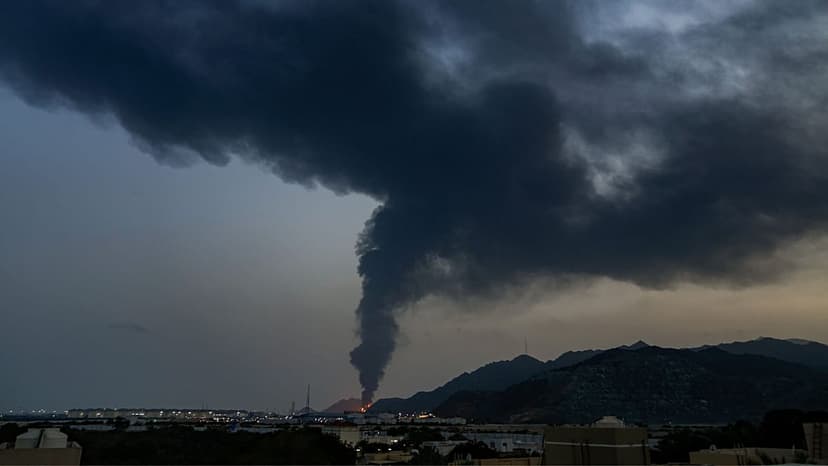
The Middle East's "saltwater kingdoms," heavily reliant on desalination for freshwater, are facing unprecedented threats as conflict targets critical infrastructure. "Black rain" recently fell on Iran after strikes on oil depots, releasing a toxic cocktail of pollutants with severe short-term health effects and long-term risks including cancer and neurological conditions. These environmental hazards threaten to contaminate waterways and harm marine ecosystems.
Desalination plants, essential for sustaining many of the region's major cities, have become significant vulnerabilities during wartime. Attacks have already impacted water supplies for villages, and the integration of desalination facilities with power stations means damage to electrical infrastructure can also halt water production. While Iran relies less on desalination, its existing water sources are depleted due to drought, and expansion efforts are hampered by constraints.
The broader conflict also cripples oil-dependent economies and disrupts vital global shipping lanes, including the Strait of Hormuz, through which 20 percent of the world's oil transits. This disruption, coupled with rising oil prices, threatens food supplies as fertilizer trade is impacted and farming costs soar. The crisis sharpens the focus on the need for localized, renewable energy sources that cannot be blockaded or weaponized.
Furthermore, the environmental cost of war is substantial, with global militaries being significant emitters of greenhouse gases. The emissions from ongoing conflicts, like the war in Ukraine, and from military operations far outweigh any potential gains from increased enthusiasm for green transitions, highlighting a critical, often overlooked, aspect of global environmental challenges.