Home / War and Conflict / War's Silence: A Reporter's 15 Days on Lebanon's Frontline
War's Silence: A Reporter's 15 Days on Lebanon's Frontline
21 Mar
Summary
- Journalist reports 15 days from Israel-Hezbollah conflict frontlines.
- Challenges included connectivity loss and navigating danger.
- Witnessed human cost, fear, and resilience amid destruction.
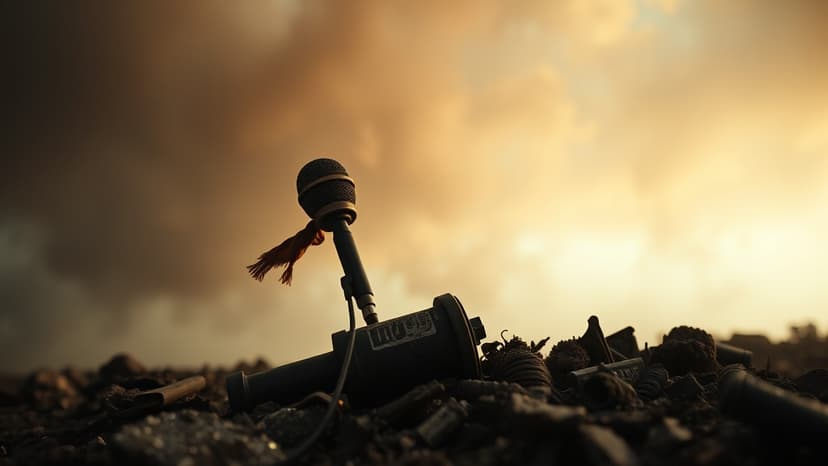
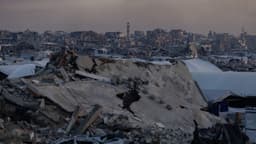
Reporting from the frontlines of the Israel-Hezbollah conflict in Lebanon for 15 days, a journalist experienced the unique tension of war zone silence. Each day began with assessing overnight safety and preparing essential gear for reporting amid constant shelling. The pursuit of broadcasting reality meant moving closer to danger, a stark contrast to the actions of those seeking shelter.
Navigating the conflict presented relentless challenges, including collapsing connectivity and roads rendered impassable by strikes. Broadcasts shifted between rooftops and basements, a constant negotiation between signal strength and personal safety. Moments of intense fear evolved from paralyzing to a functional awareness, guiding crucial decisions for survival and reporting.
The human cost of the war was a profound focus, with families displaced and children exposed to the realities of conflict. The experience highlighted the dual role of a journalist: to inform and to bear witness. This involved navigating fear while maintaining purpose, conveying urgent and necessary stories from a landscape of destruction.
During the reporting period, Shia Muslims in Lebanon celebrated Eid al-Fitr, with the journalist attending prayers at the Harriri Mosque in Beirut. Later, a vegetarian Lebanese meal was consumed in eastern Beirut, a departure from usual Eid traditions. The journalist also noted the challenges of finding safe accommodation, as many hotels were occupied by displaced individuals or targeted due to the presence of Hezbollah and IRGC members.