

Home / War and Conflict / Iran's Cyber War: Targeting Gulf Stability
Iran's Cyber War: Targeting Gulf Stability
16 Apr
Summary
- Iran's proxies launched 500,000 cyberattacks daily during the war.
- Phishing emails and disruptive attacks targeted critical infrastructure.
- Iran aimed to damage reputational stability and sow fear in the Gulf.
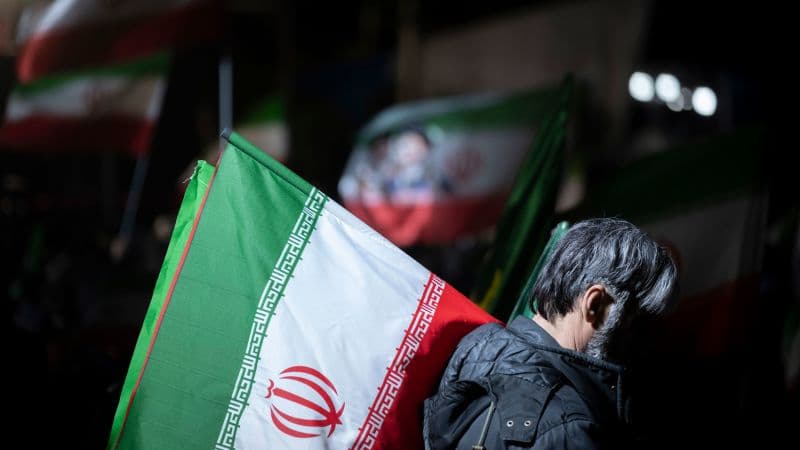
During the recent conflict, Iran and its proxies waged an extensive information and cyber war, escalating to 500,000 daily cyberattacks, predominantly targeting critical infrastructure. These digital assaults included phishing emails designed for data gathering and destructive purposes, alongside disruptions to banking systems in the UAE and Bahrain in early March.
These operations aimed to inflict reputational damage and sow fear in Gulf Arab states, challenging their image as stable havens for foreign businesses. Fake text messages, such as a fraudulent alert from the UAE's Ministry of Interior, were disseminated to create confusion and undermine public trust.
Iran also targeted strategic assets, like wheat reserves in Jordan, through cyberattacks aiming to manipulate storage temperatures. Furthermore, hackers attempted to access surveillance cameras in Israel and Gulf countries to aid in targeting and damage assessment.
Concurrently, Gulf governments worked to control narratives, arresting individuals for filming or sharing videos of the conflict. This effort extended to managing information flow, with strict controls on sharing potentially misleading content, leading to widespread self-censorship.
