Home / War and Conflict / War's Toxic Trail: Oil Blasts Poison Iran
War's Toxic Trail: Oil Blasts Poison Iran
10 Mar
Summary
- Iranian oil depots bombed, releasing toxic chemicals into air and water.
- Black rain, a mix of soot and storm clouds, contaminated Tehran.
- Environmental monitors struggle to track escalating regional disasters.
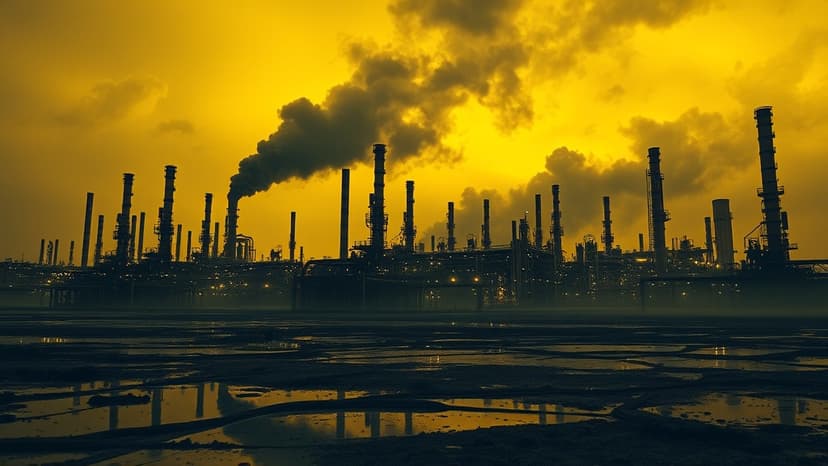
Recent Israeli airstrikes on oil depots in Iran, specifically the Shahran and Shahr-e fuel depots, have triggered significant environmental concerns. These attacks released toxic chemicals, leading to warnings about acid rain and potential skin and lung damage for residents in Tehran. The World Health Organization noted the risk of contaminating food, water, and air, with particular danger to children and those with pre-existing health conditions.
Compounding the issue, black rain—a combination of soot from the explosions and storm clouds—fell across Tehran, further spreading contaminants like sulfur compounds and heavy metals. Experts caution that these substances can interact with DNA and increase cancer risk. The destruction of containment systems allows harmful materials to permeate soil and water supplies, posing a long-term contamination threat.
Meanwhile, monitors are struggling to keep pace with the numerous environmental disasters arising from the expanding conflict. Incidents have spread to other regional facilities, including Bahrain's only oil refinery and Saudi Arabia's oil field, with potential for a cycle of retaliation. The sheer volume of environmentally problematic events in the Persian Gulf region is now difficult to track, underscoring the growing ecological crisis.


