Home / War and Conflict / Iran Threatens Saudi, UAE, Qatar After Attacks
Iran Threatens Saudi, UAE, Qatar After Attacks
19 Mar
Summary
- Iranian gas facilities in the Gulf were attacked.
- Tehran vowed to target energy installations in Saudi Arabia, UAE, and Qatar.
- Oil prices surged over 6% following the news.
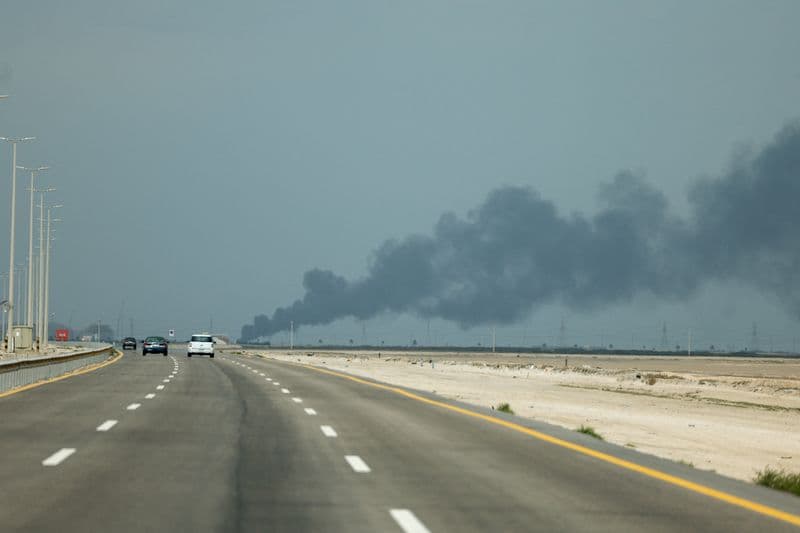
Gas facilities located in Iran's Gulf region were attacked on Wednesday, leading Tehran to declare its intention to strike energy installations across Saudi Arabia, the United Arab Emirates, and Qatar in the immediate future. This development sent Brent crude futures soaring by over 6% to a session high approaching $110 per barrel.
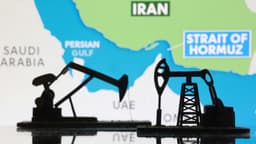
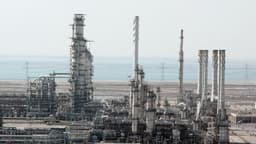
The assaults on Iran's energy infrastructure, particularly in South Pars and Asaluyeh, have intensified worries about potential retaliatory strikes on global energy majors' infrastructure throughout the Gulf. Alternative export routes, such as Saudi Arabia's Red Sea port of Yanbu, could also be targeted, potentially prolonging disruptions that have already effectively closed the Strait of Hormuz.
Qatar's foreign ministry spokesperson condemned the attack as a "dangerous and irresponsible" escalation threatening global energy security, while the UAE emphasized the importance of avoiding vital facilities. In response to the situation, Iran's Revolutionary Guards issued evacuation orders for several key energy sites in Saudi Arabia, the UAE, and Qatar.
These attacks have significant implications for global energy markets, especially concerning liquefied natural gas (LNG). Qatar has completely halted its LNG production due to the ongoing conflict, and any damage to its facilities could extend this outage, threatening a substantial portion of global LNG supply. Furthermore, Iran's diversion of gas to domestic use has halted its gas flows to Iraq, impacting a crucial supplier for Iraq's energy needs.
The South Pars gas field, shared by Iran and Qatar, is a critical component of the world's largest natural gas reservoir. While most of Iran's production from this field is for domestic consumption, disruptions here, coupled with the broader geopolitical tensions, underscore the fragility of regional energy supplies and the potential for continued market volatility.