Home / War and Conflict / Access Denied: How Gaza War News is Verified
Access Denied: How Gaza War News is Verified
7 Oct
Summary
- Reporters rely more on technology for verification due to limited Gaza access.
- Geolocation and satellite imagery are crucial tools for confirming information.
- Newsrooms emphasize attribution and uncertainty in reporting.
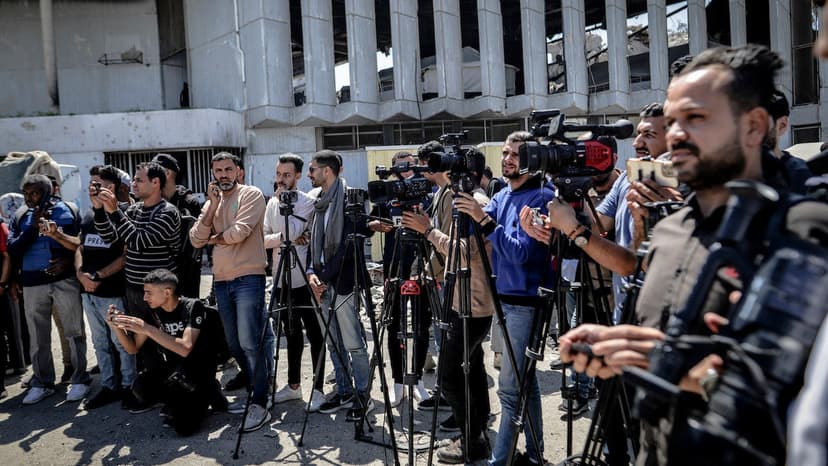
The conflict has significantly altered war reporting, pushing news organizations to prioritize verification and source attribution. With restricted access to Gaza, journalists increasingly depend on technological tools to confirm information. Techniques such as geolocation, satellite imagery analysis, and AI manipulation checks have become indispensable for validating content from the region.
This reliance on technology is a response to the challenge of reporting from a location where direct, independent access is severely limited. Newsrooms are adapting by emphasizing what can be independently confirmed, the origin of information, and what remains uncertain. This approach aims to combat the rapid spread of false or manipulated material.
Major news outlets have invested in specialized teams and processes for verifying user-generated content and visual material. Lessons learned from previous conflicts, like in Ukraine, have informed these evolving verification strategies. The situation highlights the changing nature of modern conflict and the need for rigorous journalistic standards in an information-saturated environment.
News organizations continue to call for independent access to Gaza, arguing that escorted tours are insufficient for comprehensive reporting. The current restrictions necessitate greater transparency about sourcing and the limitations of confirmed facts, ensuring audiences understand the verified aspects of events versus claims.


