

Home / War and Conflict / WWII Looted Art: Dutch Foundation Proposed
WWII Looted Art: Dutch Foundation Proposed
22 Apr
Summary
- A new Jewish foundation is proposed to manage millions in looted art.
- The collection includes works by Rembrandt, Hals, and Rubens.
- The art was repatriated to the Netherlands after World War II.
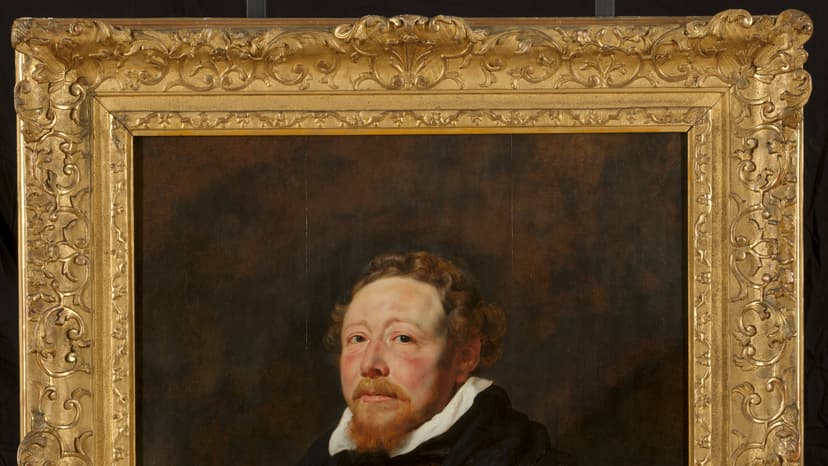
A Dutch government-appointed panel has recommended that a new Jewish foundation, rather than the state, assume guardianship of a massive collection of artworks. These pieces, valued in the millions and including works by Old Masters, were repatriated to the Netherlands from Germany following World War II.
The collection, known as the Dutch Art Collection (NK Collection), comprises art and cultural objects looted from Jewish individuals during the Holocaust, many of whom were deported or killed. For decades, these "heirless" or "orphaned" items have been managed by the Dutch Cultural Heritage Agency.
The proposed foundation, preferably located at the Jewish Museum in Amsterdam, would aim to exhibit the works and educate the public about their sorrowful history. The Dutch state would provide an annual budget of 400,000 euros to support these efforts. Committee chair Lodewijk Asscher emphasized the collection's importance in understanding the Holocaust and combating antisemitism.
However, some potential heirs have expressed dissatisfaction, viewing the proposal as a "whitewash" that prioritizes keeping the art in the Netherlands over finding rightful owners. Alternative proposals, such as selling the collection to benefit Holocaust survivors, have been put forth but are opposed by the Asscher committee, which states that restitution remains possible when heirs are identified.
Legal representatives for some heirs have also voiced concerns, pointing to the historically low rate of restitution and the recent opening of wartime archives that could aid in tracing ownership. They argue that it is still too early to definitively conclude that no more information will emerge to facilitate restitution.
Despite the complexities, the proposal is seen by some as a positive step forward. Amelie Ebbinghaus of the Art Loss Register believes it could be an interesting solution to ensure the artworks remain in the public domain while still allowing for restitution claims.
