Home / War and Conflict / How Tiny Weather Window Made D-Day Possible
How Tiny Weather Window Made D-Day Possible
28 Aug
Summary
- Meteorologists faced high stakes for D-Day forecasts.
- Only four ideal dates existed for the Allied invasion.
- New visualizations show the narrow weather window.
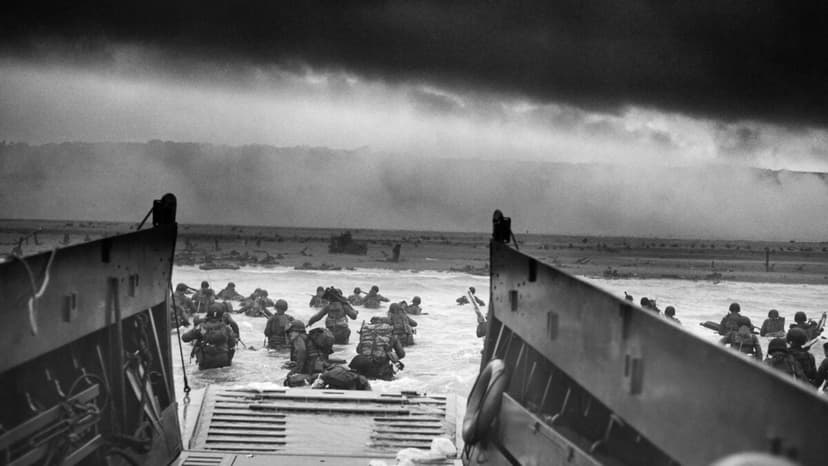
Three secret teams of meteorologists worked on high-stakes weather forecasts for the Allied invasion of Normandy during World War II. Punishing storm fronts in 1944 left them with only four possible dates for "D-Day" between May and July, each with a slim chance of success. Scientists have now created detailed visualizations showing the incredibly small window of clear skies that existed on the historic morning of June 6, 1944.
These reconstructed satellite images reveal the narrow patches of cloudless sky over southern England and northern France that were critical for the invasion. High winds and cloud cover above Normandy were significant concerns, as they could have hindered the Allied air forces' ability to protect the landings. A day earlier, or even a few hours later, might have halted the invasion and potentially altered the war's outcome.
The visualizations match historical reports of the weather on D-Day, which noted primarily sunny skies with a northwesterly wind. Despite distant ominous clouds, the conditions presented the best available option. These images underscore the immense risks faced by Allied forces, emphasizing how much the invasion's success hinged on a small break in the clouds.


