Home / War and Conflict / Rifles Regiment Fights Suicide Stigma
Rifles Regiment Fights Suicide Stigma
30 Jan
Summary
- Lieutenant-General Sir Tom Copinger-Symes disputes suicide crisis claims.
- The Rifles Regiment has a unique 24/7 suicide prevention program.
- Mental health impact can surface 14 years after military deployment.
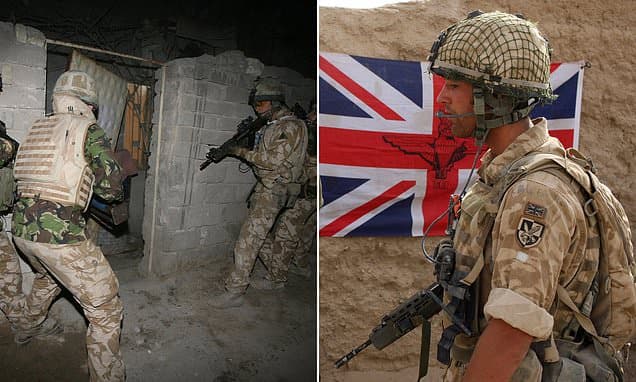
Lieutenant-General Sir Tom Copinger-Symes has publicly refuted claims of a significant suicide problem within The Rifles Regiment. He asserts that statistics do not support claims of a disproportionate number of suicides among serving or veteran Riflemen. Instead, he highlighted the regiment's substantial commitment to addressing these sensitive issues.
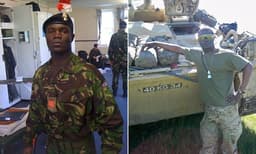
The conversation was prompted by the recent suicide of Serjeant Andrew Borthwick, a decorated soldier who served in Iraq and Afghanistan. His death underscored the profound impact of mental health struggles following military service. Borthwick's case has amplified concerns raised by veteran groups about suicide rates.
In response to these challenges, The Rifles Regiment has established the 'Always a Rifleman Programme' (AARP). This groundbreaking initiative operates around the clock, offering a 24/7 telephone helpline and a dedicated team of former Riflemen ready to provide immediate support to comrades at risk.
Experts note that mental health issues, including PTSD, can surface years after combat. Chloe Mackay of Combat Stress explains that veterans may take an average of 14 years post-deployment to seek help. The AARP aims to intervene before soldiers reach a crisis point, acknowledging the difficulties of transitioning back to civilian life.
Internal statistics shared by The Rifles indicate that, relative to its size, the regiment is not an outlier in terms of military suicides. Since 2007, there have been 44 suicides, including 15 serving soldiers and 29 veterans. The regiment insists it has a less severe issue compared to others.