Home / War and Conflict / War Elephant Bone Found: Hannibal's Legacy?
War Elephant Bone Found: Hannibal's Legacy?
20 Feb
Summary
- An elephant bone, 2,200 years old, was discovered in Cordoba, Spain.
- Researchers believe it belonged to a Carthaginian war elephant.
- The find offers physical evidence of elephants in ancient Europe.
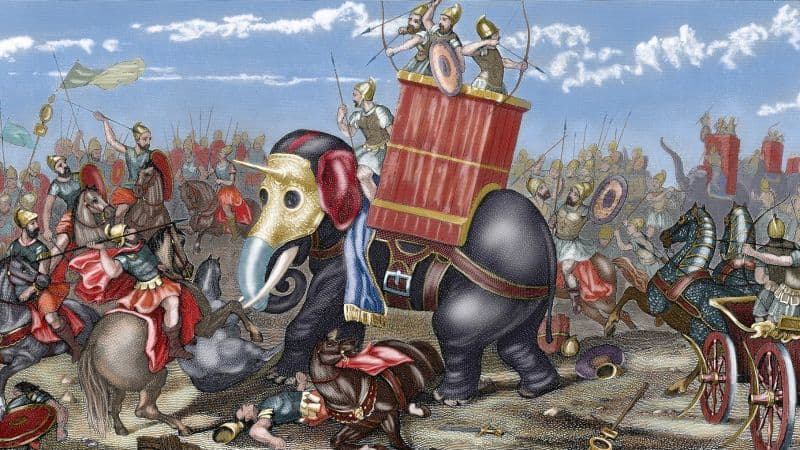
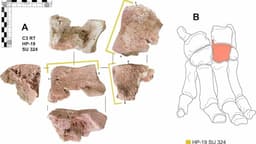
An archaeological discovery in Cordoba, Spain, has brought ancient warfare to life with the unearthing of a 2,200-year-old elephant bone. Researchers utilized radiocarbon dating, placing the bone in the early fourth to late third century BC, a period marked by conflict between Carthage and the Roman Republic. This timeframe coincides with the Second Punic War (218-201 BC).
This remarkable find provides the first direct physical evidence of elephants in Western Europe, supporting historical accounts of their use as formidable 'war machines.' The presence of stone artillery balls found near the bone further suggests a military context. While acknowledging that a single bone could be isolated, the researchers propose its association with Hannibal's campaigns as the most plausible explanation.
Lead archaeologist Fernando Quesada-Sanz highlighted elephants' roles as both prestige and psychological weapons, capable of intimidating enemy troops and disrupting formations. This discovery may also prompt re-examination of existing museum collections for further evidence of these ancient beasts in Europe.