
Home / Technology / Women Risk AI Gender Gap
Women Risk AI Gender Gap
30 Apr
Summary
- Men are 22% more likely to be heavy AI users at work.
- Women fear AI's environmental impact and creative toll.
- Women are leading AI governance and safety research.
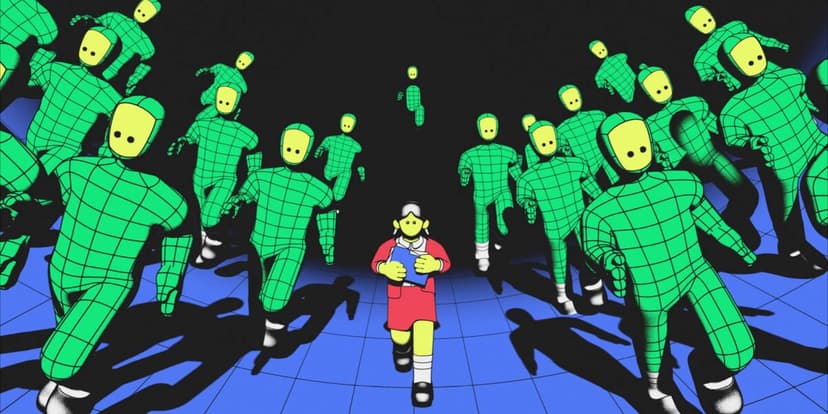
Reese Witherspoon's recent social media post, questioning the AI adoption rate among women, has sparked a wider conversation about a potential gender gap in artificial intelligence. Data from LeanIn.Org reveals men are 22% more likely to be heavy AI users at work, with women expressing more apprehension about the technology's accuracy and potential misuse. This hesitancy is compounded by concerns regarding AI's environmental footprint, its impact on children, and its threat to creative industries.
Research also suggests that predominantly female career paths, such as clerical work, may face higher risks of automation. Some experts, like Witherspoon and Sheryl Sandberg, worry that women could accelerate their economic displacement by not engaging with AI. Conversely, others argue that women's caution serves as a necessary check on a rapidly advancing, male-dominated field.
However, many women embracing AI in their careers feel their contributions are overlooked amidst discussions of gender disparities. Female founders often find themselves underestimated at tech events, with concerns that AI training data perpetuates societal biases. This underscores the importance of increased female involvement in building AI, not only to combat stereotypes but also to help refine AI models and mitigate inherent biases.
Despite these challenges, women are notably taking the lead in AI governance and safety. Prominent female researchers are pioneering the field, and female business leaders are often the first to identify AI risks within their companies. While this leadership in regulation is a counterpoint to the gender gap narrative, it can also be a thankless role, with cautious approaches sometimes dismissed in favor of rapid advancement and perceived efficiency.
