Home / Technology / Windows Taskbar Moves Back Home
Windows Taskbar Moves Back Home
17 Sep
Summary
- Windows 11 taskbar rebuild required extensive app adjustments.
- Microsoft cited low user demand for repositionable taskbar previously.
- User feedback drove Microsoft to reintroduce taskbar customization.
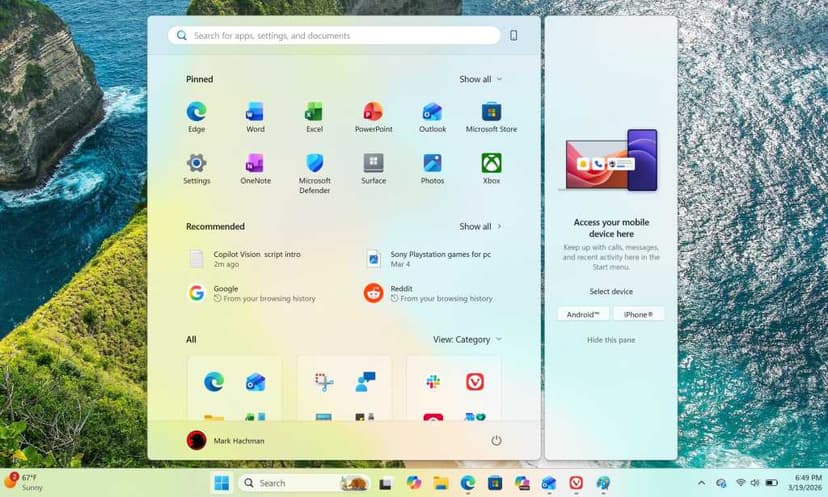
Microsoft has brought back the repositionable taskbar feature to Windows, addressing a long-standing request from users. Initially, the Windows 11 taskbar was rebuilt from the ground up, omitting the ability to move it from the bottom of the screen. This was due to the complexity of ensuring all applications would function correctly in different taskbar positions. Tali Roth, who managed the core user experience, explained that adapting apps for taskbar placement on the sides or top would involve a significant amount of work.
At the time of Windows 11's initial development, Microsoft indicated that demand for a movable taskbar was minimal, with most users preferring the default position. However, over the subsequent years, a dedicated segment of the Windows community persistently advocated for the return of this customization option. This vocal demand ultimately prompted Microsoft to revisit the feature, conducting tests with Windows Insiders until a satisfactory solution was achieved. The Start menu also saw changes, offering less customization than its Windows 10 counterpart as part of a design shift towards a cleaner, minimalist aesthetic.


