Home / Technology / Wearable Robots: Your New Mobility Partner
Wearable Robots: Your New Mobility Partner
16 Feb
Summary
- Robots are shifting from factories to everyday life.
- New wearable tech assists movement, not replaces it.
- Consumer robotics target endurance and comfort.
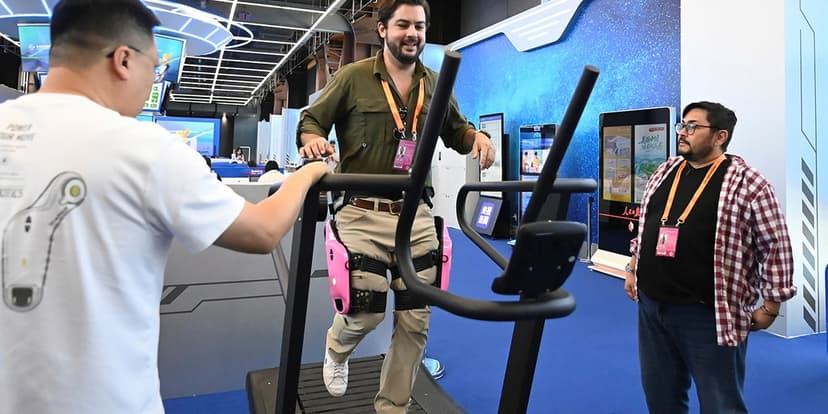
Wearable robotics are emerging from research labs to assist everyday movement, focusing on supporting user effort rather than replacing it. This shift introduces a new consumer category with products like powered shoes and lightweight exoskeletons.
Innovations such as Nike's Project Amplify pair carbon plates with motorized ankle cuffs, using sensors to provide subtle, adaptive assistance. Modern designs strategically place batteries and motors higher on the leg to improve balance and reduce strain on the foot, with commercial releases anticipated around 2028.
Consumer-focused exoskeletons like the Hypershell X and Dnsys X1 are designed for hikers and long-distance walkers, utilizing small motors to reduce fatigue on varied terrain. These aim to enhance endurance for recreational users seeking support without medical intervention.
Historically, wearable robotics proved their efficacy in medical rehabilitation, aiding individuals with spinal cord injuries and strokes. This medical success has paved the way for broader consumer applications, addressing common concerns like leg fatigue and joint pain.
These technologies aim to bridge a 'confidence gap,' making physical activities feel more achievable by reducing fatigue and supporting joints. Similar to how e-bikes broadened cycling participation, wearable robotics could encourage more people to engage in walking and running.
While consumer adoption is still in its early stages with high costs and limited availability, wearable robotics are poised to reshape perceptions of aging, endurance, and daily mobility. The focus is shifting from performance tracking to active support, potentially making extended activity more attainable.