


Home / Technology / Waveguide Glasses: Almost Here, Not Ready
Waveguide Glasses: Almost Here, Not Ready
9 Apr
Summary
- Monochrome green displays limit current waveguide smart glasses functionality.
- Control schemes remain unpolished, with finicky touchpads and inconsistent gestures.
- Inconsistent feature sets and lack of app ecosystems hinder usability.
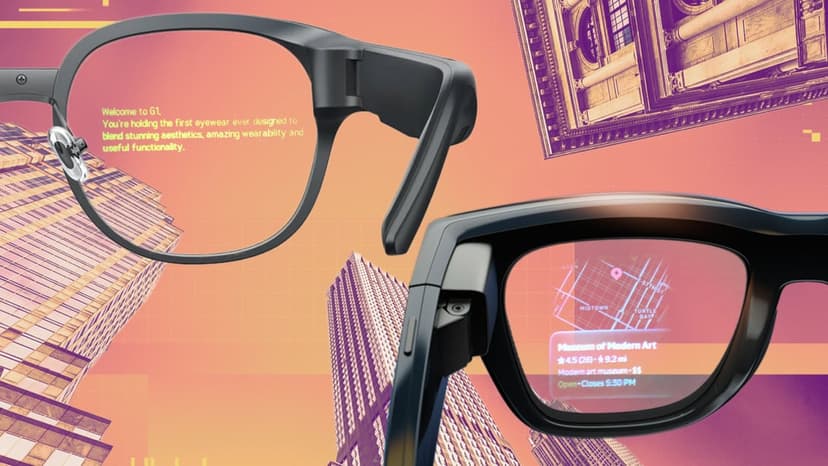
Waveguide smart glasses offer a glimpse into a future where visual information is projected directly before your eyes, potentially making smartphones redundant. However, current iterations present a mixed bag of innovation and frustration.
A significant drawback is the prevalent use of monochrome green displays on many models, limiting visual output to basic text and simple graphics. This stands in contrast to emerging color displays found in some newer devices, hinting at a rapid evolution in the technology.
Controlling these devices also proves challenging. While voice commands are an option, direct interaction with the visual interface is often necessary for precision. Current control methods, such as touch strips and gesture controls, are frequently inconsistent and difficult to use effectively.
Feature sets vary widely among waveguide smart glasses, with many lacking essential functionalities like audio output or comprehensive notification support. The nascent app ecosystems for these devices also struggle with clunky interfaces and limited utility, further hindering their practical application.
Despite these limitations, the underlying technology holds significant promise. Future iterations may overcome current hurdles with improved color displays, more reliable control systems, standardized features, and robust third-party app support, making them a viable option for consumers.
