Home / Technology / Vulcan Rocket Grounded After Debris Anomaly
Vulcan Rocket Grounded After Debris Anomaly
26 Feb
Summary
- Space Force paused military launches due to a Vulcan Centaur rocket anomaly.
- An investigation into unusual debris plumes may take months.
- Upcoming national security missions face delays or potential provider changes.

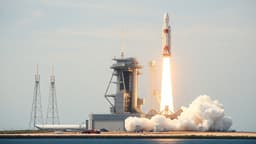
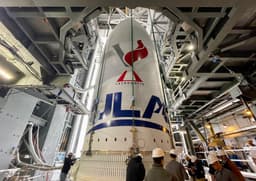
The U.S. Space Force has paused all military launches utilizing the Vulcan Centaur rocket due to an anomaly experienced during a recent mission. The rocket, which successfully deployed two national security satellites on February 12, emitted an unusual plume of debris from one of its solid boosters. This incident has led to an immediate suspension of National Security Space Launch missions on the Vulcan, with investigations potentially lasting several months.
Colonel Eric Zarybnisky indicated that mission success is the paramount concern, and no further Vulcan launches will occur until the anomaly is resolved. This pause jeopardizes the timing of more than a dozen planned Space Force missions for the year. The problematic debris emission is similar to an issue encountered during Vulcan's second launch in October 2024, where a malfunctioning insulator caused a booster nozzle failure and debris cloud.
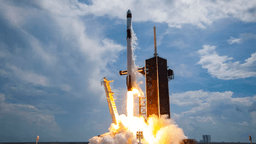
Upcoming critical missions are at risk, including the tenth GPS 3 satellite launch scheduled for March and the first of three Next Generation Overhead Persistent Infrared satellites in May. To mitigate extensive delays, the Space Force is considering transferring Vulcan's missions to SpaceX's Falcon 9 rocket, a move previously made for GPS 3 satellite launches. ULA aims to increase Vulcan launches significantly in 2026, but recurring technical problems could jeopardize these plans and impact its standing as a reliable launch provider.