Home / Technology / Vulcan Rocket Sparks Again, Military Satellites Safely Orbited
Vulcan Rocket Sparks Again, Military Satellites Safely Orbited
13 Feb
Summary
- Vulcan rocket experienced booster anomaly with sparks and debris shortly after liftoff.
- This is the second similar booster malfunction in four Vulcan flights.
- Despite the issue, the rocket successfully delivered military satellites to orbit.
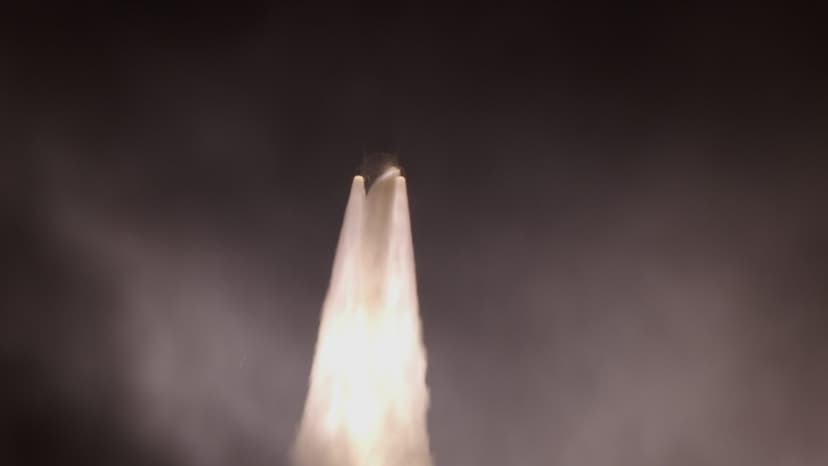
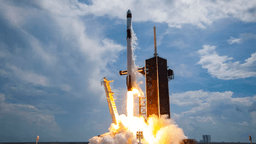
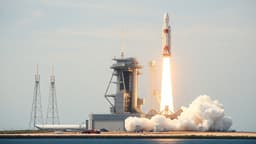
Moments after liftoff early on Thursday, February 13, 2026, the United Launch Alliance's Vulcan rocket exhibited a shower of sparks from one of its booster nozzles, a concerning sight for observers. This event closely resembled a booster malfunction that occurred sixteen months prior, during the rocket's second test flight in October 2024. Though details of Thursday's anomaly are still under investigation, the visual similarities are striking.
The anomalous plume appeared less than 30 seconds after liftoff, followed by a cloud of sparks and debris about a minute into the flight, which induced a rolling motion. Despite this, the rocket's four strap-on boosters were jettisoned as planned, and the mission proceeded. ULA confirmed that the Vulcan booster and Centaur upper stage performed nominally, delivering the spacecraft to its intended geosynchronous orbit. Engineers are reviewing technical data and imagery to determine the cause.
The previous booster malfunction in October 2024 was traced to a manufacturing defect in an insulator within the nozzle, which led to melting and burn-through. While ULA had inspected other boosters, Thursday's incident suggests the issue may persist or a new problem has emerged. The Vulcan rocket successfully deployed the Space Force's seventh and eighth GSSAP surveillance satellites, designed to monitor other spacecraft, and additional research payloads.
Two similar booster failures in three flights could impact military confidence in the Vulcan rocket for national security payloads. The next scheduled Vulcan launch, carrying a GPS navigation satellite, is now uncertain as the Space Force will conduct a thorough mission assurance review. This incident follows a history of ULA facing delays in getting the Vulcan operational, while competitors like SpaceX have become leading Pentagon launch providers.