Home / Technology / US Power Inverter Ban Eased for Off-Grid Use
US Power Inverter Ban Eased for Off-Grid Use
21 Aug
Summary
- Ban now excludes off-grid inverters for portable power stations.
- Focus shifts to inverters interacting with the electric utility grid.
- Revised rules ease compliance for domestic inverter manufacturers.
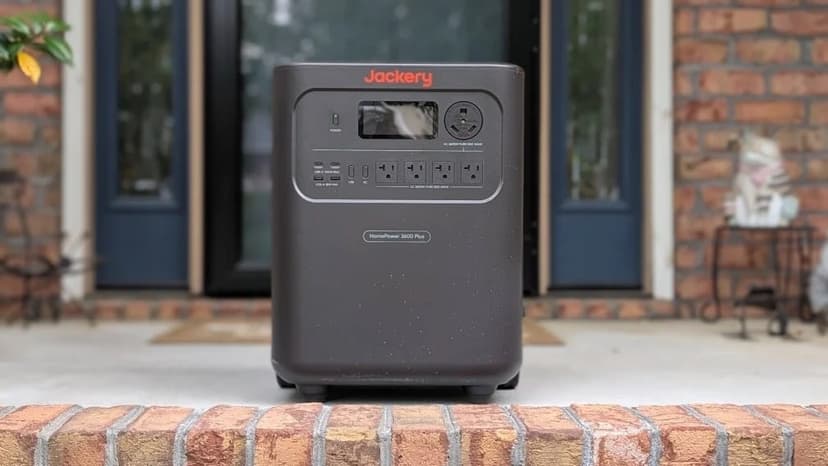
The United States has modified its ban on foreign-made power inverters to exempt those not designed for connection to the electric utility grid. This update specifically excludes off-grid inverters commonly found in portable power stations, addressing concerns that the initial ban might impact the consumer solar and battery market. The Federal Communications Commission (FCC) clarified that the ban primarily targets 'utility-interactive inverters' that can feed power back into the grid, mitigating risks to the broader power system.
This policy revision also introduces a more accessible compliance pathway for domestic inverter manufacturers. Instead of a stringent domestic content threshold, eligibility for the Advanced Manufacturing Tax Credit now determines exemption from the foreign-made ban. This change is expected to benefit companies like Enphase, SolarEdge, and Tesla, simplifying their qualification process without demanding detailed subcomponent supply chain disclosures.
Furthermore, the scope of the ban has been expanded to include both wireless and wired foreign-made power inverters that support ethernet connections. The initial ban, announced last month, cited cybersecurity vulnerabilities as the primary concern, aiming to prevent potential sabotage or computer hacks targeting the electric grid.


