Home / Technology / Automation Remakes US Freight Economy
Automation Remakes US Freight Economy
14 Aug
Summary
- Automation is reshaping US transportation into efficient, continuously optimizing systems.
- AI and driverless technology are being deployed across roads, rivers, and rail.
- This overhaul could significantly impact US and global energy markets over the next decade.
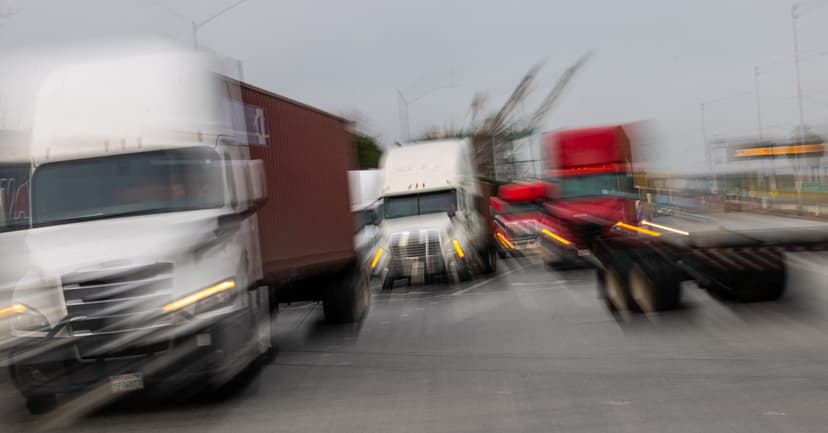
U.S. transportation is undergoing a profound shift driven by automation, moving beyond incremental efficiency gains to create continuously optimizing systems. Software now plays a pivotal role in determining energy consumption and the movement of goods across roads, rail, and waterways.
Developments include AI assisting navigation on Mississippi River towboats and driverless trucks operating commercially in Texas. Railroads are enhancing inspections with machine vision, while aviation regulators prepare for cargo flights with reduced human involvement. These advancements collectively point to a more autonomous, optimized, and productive freight economy.
Transportation is the largest energy consumer in the U.S., accounting for about 37% of total energy demand. Any significant overhaul of this sector is therefore poised to have far-reaching repercussions for both domestic and global energy markets within the next decade.
On the Mississippi River, AI systems are enhancing navigation for towboats, monitoring hazards and optimizing fuel use. This builds on waterborne transportation's inherent energy efficiency, where one gallon of fuel can move a ton of cargo significantly farther than by truck.
American highways are seeing a revolution with autonomous trucks aiming for near-continuous operation, unlike human-driven trucks limited by driving hours. This increases asset utilization, potentially doubling productivity and reducing idle equipment.
Railroads are quietly automating through continuous monitoring systems that detect track and equipment issues proactively. This shift from periodic inspections to real-time analysis improves reliability and speed, facilitating faster train movement and reducing bottlenecks.
Aviation is also preparing for increased automation, with regulatory frameworks developing for remote supervision and autonomous cargo aircraft. This could expand operational flexibility, create new freight networks, and potentially unlock new models for regional cargo and electric flights.
The core of this transformation is software replacing inefficiency, not just people. Smoother freight movements, longer asset operation, predictive maintenance, and synchronized logistics networks promise to move more goods with less proportional energy consumption.
This automation surge in transportation aligns with historical productivity transitions, akin to steam power or electrification. By reducing wasted time, fuel, and underutilized infrastructure, the U.S. is building a freight system that extracts more output from existing resources, redefining the future of logistics.


