Home / Technology / Teens' Social Media Love-Hate: Ban or Boon?
Teens' Social Media Love-Hate: Ban or Boon?
16 Mar
Summary
- Teenagers acknowledge social media's addictive 'brain rot' content.
- Young people use platforms for socialising and learning, but face risks.
- Experts question the effectiveness and enforceability of social media bans.
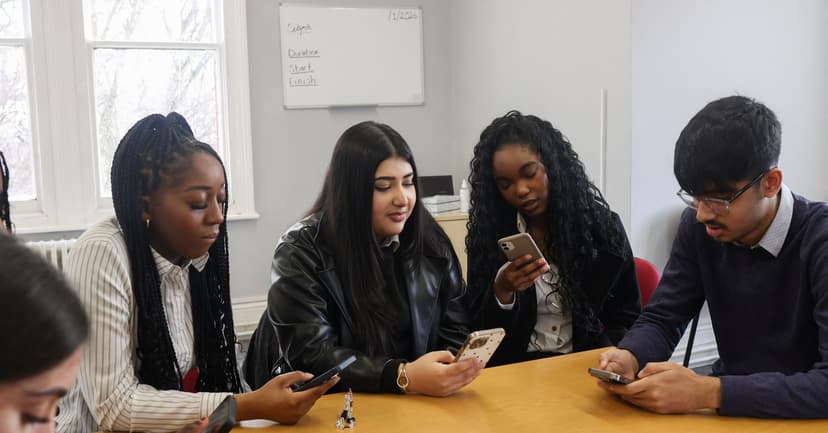
British teenagers express a mixed relationship with social media, acknowledging its addictive nature and the 'brain rot' content prevalent on platforms like TikTok and Instagram. Despite these concerns, social media remains central to their lives for social interaction, making new connections, and learning about the world. However, these platforms also contribute to feelings of unhappiness, exhaustion, and vulnerability to bullying and harmful material.
Young people report that social media apps are designed to maximize scrolling time, with some admitting to spending several hours daily on platforms. While tech companies highlight safety features for teen users, teenagers indicate these controls can often be bypassed. This has led to discussions about potential government restrictions, similar to measures considered in Australia, to ban social media for those under 16.
Experts and many teenagers are skeptical about the efficacy of outright bans. They argue that such restrictions might be difficult to enforce and could push younger users toward more dangerous online spaces. Researchers emphasize the complex and varied impact of social media, suggesting that focusing on compelling social media companies to build safer platforms is a more effective approach than outright bans.