






Home / Technology / Scotland's Space Ambitions Hinge on Licensing
Scotland's Space Ambitions Hinge on Licensing
1 Jan
Summary
- SaxaVord spaceport in Shetland aims for first satellite launch in 2026.
- Expert warns UK licensing regime must balance safety and business needs.
- Scotland risks losing out on space sector leadership due to investment.
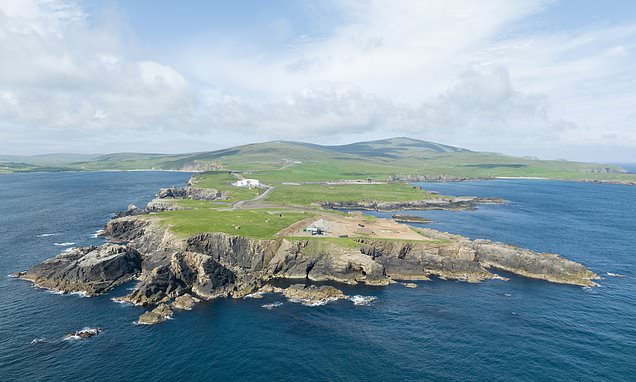
Shetland's SaxaVord spaceport, situated on Unst island, is poised for its inaugural satellite launch as early as 2026. However, the success of the UK's burgeoning space launch sector hinges significantly on the fitness of its current licensing regime. Legal expert Alex Simmonds emphasizes the critical need for regulations to effectively manage dangerous technology and safety considerations.
Simmonds cautions that while regulators have been appropriately cautious, excessive red tape could drive businesses to seek opportunities elsewhere, potentially halting the UK's space ambitions before they truly begin. He notes that while the UK is in a strong legal position, enhancements in areas like space debris regulation and environmental impact assessments for re-entry are advisable.
Concerns about competitiveness are echoed by the Scottish Affairs Committee, which highlighted Scotland's potential to miss a generational opportunity due to insufficient public investment. The geographical advantage of Scotland for polar synchronous orbits is significant, but without sustained government backing, the nation risks falling behind international rivals in this fast-evolving global market.
