Home / Technology / UK Grid Delays Force Data Centers to Gas Power
UK Grid Delays Force Data Centers to Gas Power
6 Nov
Summary
- Data centers face grid connection delays until 2034.
- Gas pipeline access offers a faster solution for projects.
- Government proposes solutions but faces environmental concerns.
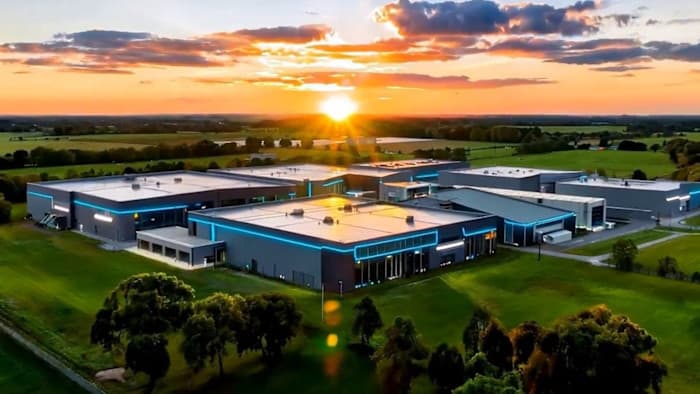
Delays in connecting to the UK's electricity grid are compelling developers to invest in fossil fuel generation, particularly gas-fired power stations. A significant proposed project in Bedfordshire, the Quest Park Data Centre Campus, faces a grid connection wait until 2034 and is thus considering its own gas power supply. This situation is not isolated, as National Gas reports a substantial increase in data center interest for gas connections. The growing demand from power-hungry data centers, fueled by the AI boom, is creating a backlog in grid connections due to planning, regulatory, and infrastructure challenges.
While data centers would prefer to connect to the national grid to utilize its renewable and nuclear mix, the lengthy connection process is driving alternative solutions. Some propose locating data centers in Scotland for access to wind farms, but proximity to clients in London remains a priority for many. The government has introduced proposals allowing strategically important data centers to use gas power temporarily, provided they plan for future grid connection. However, environmental organizations express concern that these measures may prioritize data center construction over robust environmental limits, potentially leading to increased gas use and carbon emissions.
Experts estimate that only a fraction of the proposed data center capacity in the grid queue will materialize. Nevertheless, the increased demand is expected to necessitate greater utilization of existing gas-fired power stations. Alternative low-carbon power sources such as wind, solar, fuel cells, and small modular nuclear reactors are being explored, but gas infrastructure offers a more immediate solution for many developers. Future options like biomethane, carbon capture, and hydrogen may also become viable.


