
Home / Technology / Toyota's Future City: Utopia or Privacy Nightmare?
Toyota's Future City: Utopia or Privacy Nightmare?
4 May
Summary
- Toyota's futuristic city is operational with 100 'Weavers' as residents.
- The city heavily relies on surveillance cameras for safety and data.
- Woven City aims to be a profitable business and innovation hub.
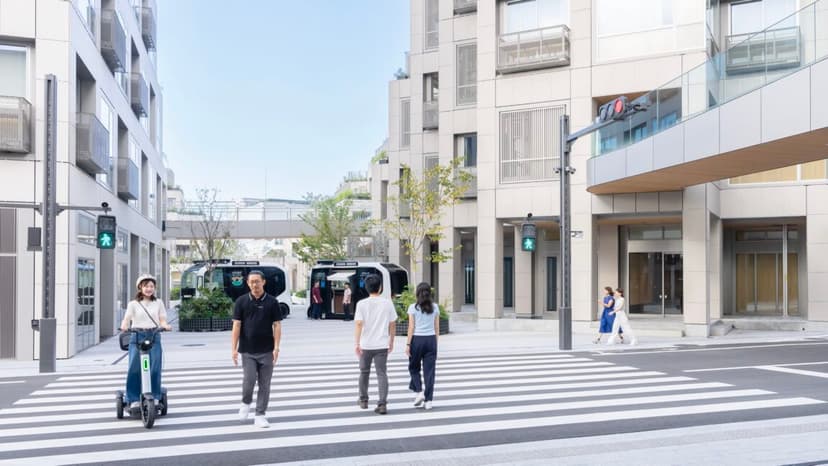
Toyota's vision for a city of the future, announced in 2020, has materialized with the first residents moving into Woven City six months ago. This ambitious project, costing an estimated $10 billion, aims to establish Toyota as a comprehensive mobility company.
The city prioritizes safety, striving for zero accidents through advanced vehicle-to-everything communications. This involves pervasive surveillance via numerous cameras to monitor hazards, a concept that has raised privacy concerns due to its unprecedented density.
Woven City is designed as a hub for innovation, connecting creators and startups. Residents, known as 'Weavers,' test various technologies, from delivery robots to AI-powered systems, with the goal of driving creation and successful startups.
Financially, Woven City is structured as a business expected to be profitable. It serves as a testing ground for Toyota's technologies, refining systems like the AI Vision Engine before commercialization.
Despite its focus on advanced mobility, the city's operations are impacted by weather conditions, with some technologies restricted during rain. The design emphasizes clean aesthetics and urban planning, though initial occupancy is low, with only 100 residents.
