Home / Technology / Tesla's FSD Helped Save a Life During Heart Attack
Tesla's FSD Helped Save a Life During Heart Attack
16 Jul
Summary
- A Tesla Model Y rerouted itself to an ER during a heart attack.
- Son used Tesla app to direct car to hospital while father was incapacitated.
- Connected car tech and pre-set emergency features can save lives.
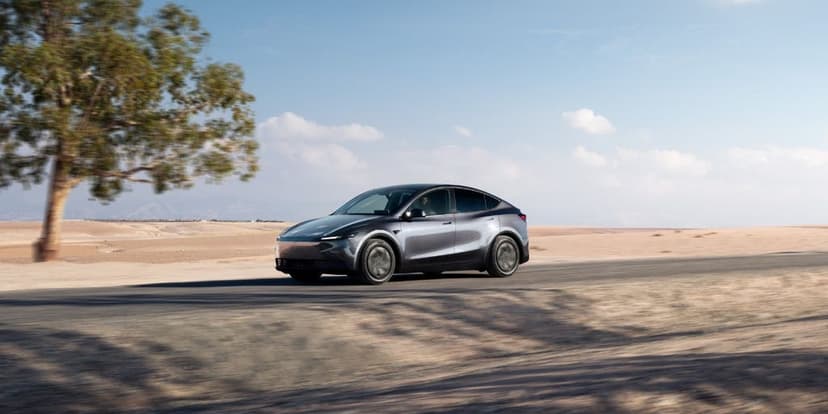
A medical emergency unfolded on I-20 when a driver experienced a heart attack while en route from Atlanta to Birmingham. Fortunately, his Tesla Model Y, equipped with Full Self-Driving Supervised, maintained course, allowing him to contact his son. The son, using the Tesla app, successfully rerouted the vehicle to Tanner Medical Center in Carrollton, Georgia, while also alerting the hospital staff. Doctors later confirmed three blocked arteries, stating the swift reroute likely saved the driver's life.
This incident underscores the value of proactive preparation with connected-car technology. While a vehicle cannot replace emergency services like 911, having trusted contacts with app access and pre-configured navigation settings can offer crucial support during a crisis. Owners are advised to familiarize themselves with their car's app features, add trusted drivers, and test destination-sending capabilities. Furthermore, utilizing phone-based emergency features like Medical IDs and designating emergency contacts can provide essential information to first responders.
It is imperative to remember that features like Tesla's Full Self-Driving Supervised require driver supervision and do not substitute for immediate medical attention. In case of a suspected heart attack or other severe medical distress, drivers should prioritize pulling over safely and calling 911 without delay. The article also emphasizes the importance of keeping a written backup of emergency contacts and medical information in the vehicle, and regularly reviewing and updating all emergency contacts and app access.


