Home / Technology / Tesla Cybercab: Robotaxi Future or Road to Ruin?
Tesla Cybercab: Robotaxi Future or Road to Ruin?
2 Sep
Summary
- Tesla's Cybercab robotaxi service launches in Austin, Texas.
- The Cybercab relies solely on cameras, eschewing lidar and radar sensors.
- Tesla faces regulatory hurdles and scrutiny over its driverless technology.
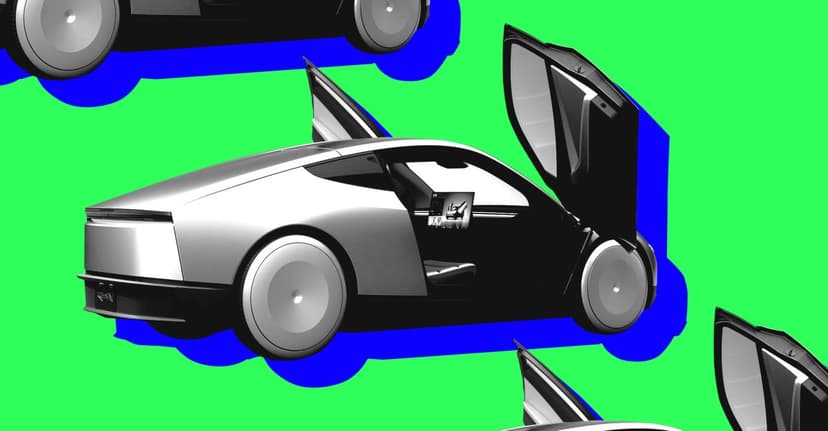
Tesla's highly anticipated Cybercab robotaxi service is now operational in Austin, Texas, nearly two years after its initial unveiling. This launch signifies Elon Musk's firm commitment to a camera-only autonomous driving system, a departure from the multi-sensor approach favored by rivals like Waymo. The Cybercab, designed without traditional controls, embodies this strategy.
While Tesla's Full Self-Driving (FSD) feature remains a Level 2 system requiring human supervision for most customers, the Cybercab will operate under remote monitoring. This deployment occurs despite FSD's association with numerous crashes and fatalities. Tesla's camera-only approach, which eschews lidar and radar, is justified by Musk as a cost-saving measure and a path to mass production.
Competitors, such as Waymo, have successfully deployed thousands of driverless vehicles using lidar, cameras, and radar, asserting that this multi-sensor suite is crucial for exceeding human safety standards. Tesla, however, argues its system is more affordable, potentially allowing for a Cybercab purchase price under $30,000. Regulatory approvals, including potential federal safety rule exemptions and a California DMV permit, are still pending.
Tesla's autonomous driving statistics remain a point of contention, with the company often highlighting positive data while independent analyses and internal trainers express concerns. The company is currently under investigation by NHTSA regarding its crash reporting methods. Public trust in Tesla's autonomous technology is reportedly low, with many consumers questioning the marketing terms 'Autopilot' and 'Full Self-Driving.'


