Home / Technology / TCL CSOT Achieves Mass Production of Ultrahigh Mobility Oxide Displays
TCL CSOT Achieves Mass Production of Ultrahigh Mobility Oxide Displays
20 Nov
Summary
- TCL CSOT pioneers mass production of ultrahigh-mobility oxide technology.
- The new tech exceeds 50 cm² V⁻¹ s⁻¹ mobility for the first time in mass production.
- This breakthrough enables premium display features without typical compromises.
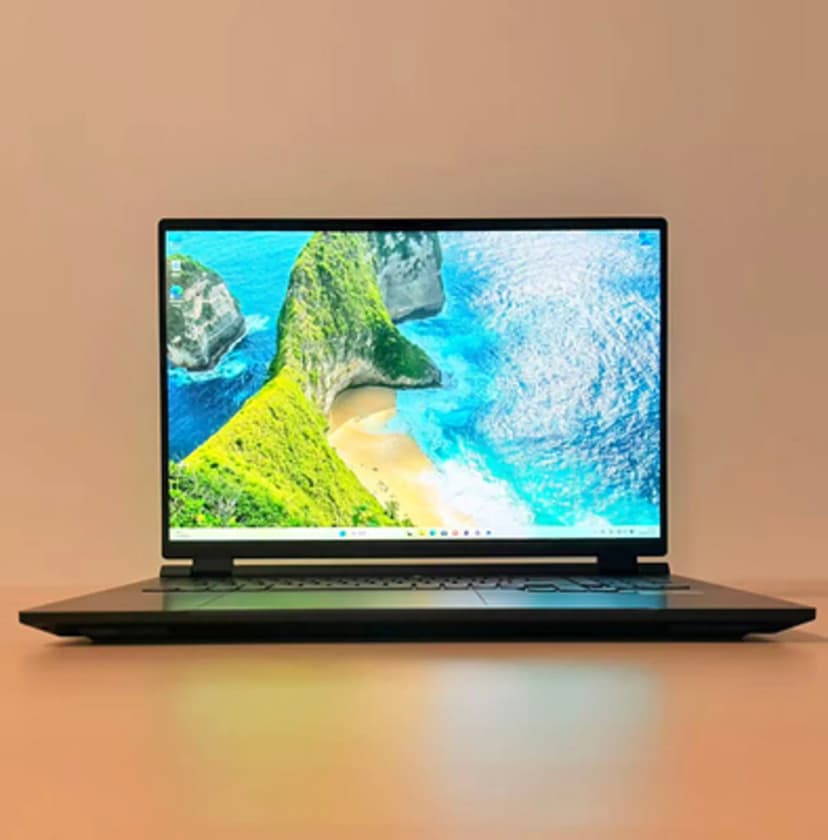
TCL CSOT announced a major technological leap on November 20, 2026, achieving mass production of ultrahigh-mobility oxide technology with electron mobility exceeding 50 cm² V⁻¹ s⁻¹. This breakthrough on an 8.6-generation line marks the first time such high mobility has been realized in mass production.
The new technology eliminates compromises previously associated with high-end displays, such as balancing refresh rates with power consumption. It enables superior image quality, exceptional energy efficiency, and cost-effectiveness. Features like ultra-low power consumption for static images and adaptability to both high-performance gaming and power-saving office use are now possible.
This advancement significantly enhances screen-to-body ratios for ultra-narrow bezels and improves pixel density without dimming high-resolution screens. TCL CSOT's innovation, developed in collaboration with the Institute of Science Tokyo, leverages advanced film deposition, device design, and circuit architecture. The technology offers LCD a competitive edge against OLED in notebooks and monitors, while also showing promise for VR/AR, medical, and automotive displays.
TCL CSOT's journey in oxide technology progressed from conventional IGZO in 2024 to high-mobility oxide in 2025, culminating in this 2026 achievement. This demonstrates a seamless transition from laboratory development to large-scale production, paving the way for future display innovations.


