Home / Technology / AI Deepfakes Now Federal Crime: New Law Has Teeth
AI Deepfakes Now Federal Crime: New Law Has Teeth
4 Sep
Summary
- New law criminalizes nonconsensual intimate imagery, including AI deepfakes.
- Platforms must remove harmful content within 48 hours of notification.
- First conviction secured just months after the law's enactment.
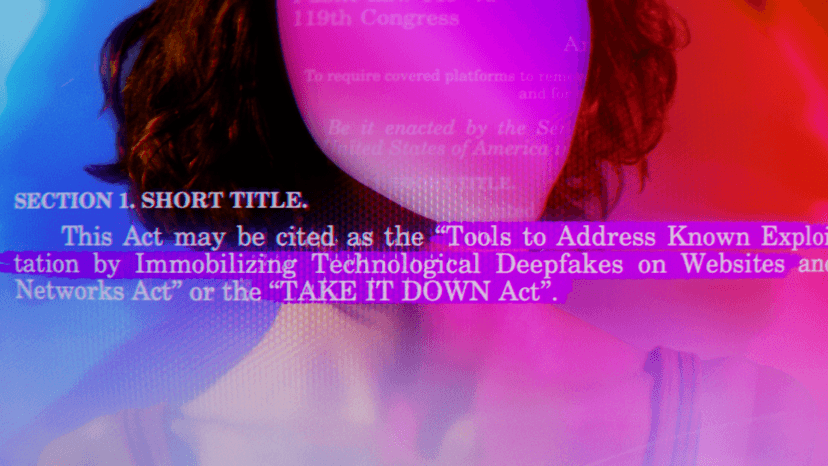
The Take It Down Act, signed into law in 2025 and enacted in May 2026, now criminalizes the publication or threat of publishing nonconsensual intimate imagery, including AI-generated deepfakes. Online platforms are mandated to remove such content within 48 hours of notification. This legislation represents a rapid and significant response to the escalating issue of AI-powered sexual harassment.
Despite deepfake pornography accounting for 98% of digital forgery videos online, with 99% featuring women, the law provides new reporting mechanisms for victims and legal actions against offenders. Meta and Google have introduced dedicated portals for reporting, and the FTC oversees compliance. Early enforcement has yielded positive results, with federal prosecutors securing their first conviction just months after the law's passage.
However, the act focuses on remediation rather than prevention, with advocates stressing the importance of deterrence through consistent, public criminal enforcement. While services like NCMEC's Take It Down program and StopNCII.org use hashing to help remove content, the system is imperfect and relies on voluntary platform participation. The challenge of transnational perpetrators and the ease with which content can be altered or shared on private channels highlight the need for global cooperation and evolving legal frameworks.
As technology advances, legislation must adapt. Beyond legal measures, education on consent, accountability, and bystander action is crucial. Addressing AI-generated image-based abuse requires a multifaceted approach, recognizing it as a form of gender-based violence that necessitates cultural and societal shifts alongside policy and technological solutions.


