

Home / Technology / SpaceX Starlink Dishes Gain Wider Sky View with FCC Nod
SpaceX Starlink Dishes Gain Wider Sky View with FCC Nod
16 Apr
Summary
- FCC approved Starlink dishes to operate with a wider field of view.
- The new approval lowers the minimum elevation angle for satellite signal reception.
- This change aims to improve network latency and performance for users.
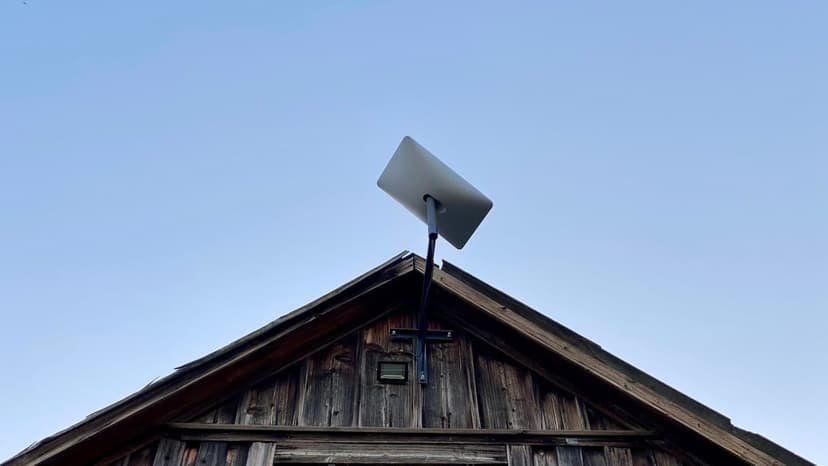
SpaceX has secured regulatory approval from the Federal Communications Commission (FCC) to enable Starlink dishes to operate with an expanded field of view. This modification allows the antennas, including the Starlink Mini, second-generation, and original first-generation models, to maintain connections with orbiting satellites for extended durations.
Previously, Starlink dishes were limited to receiving signals at a minimum of 25 degrees above the horizon to prevent radio interference. However, SpaceX successfully lobbied to reduce this minimum elevation angle, which was largely greenlit by the FCC in January 2026. The company's request cited improved network latency and performance as key benefits, allowing satellites to connect with more earth stations and sustain those connections longer.
This recent FCC approval, granted on Wednesday, encompasses seven specific applications for modifying Starlink dish models for Ku-band operations. Notably, for user terminals at or above 62 degrees north latitude, the minimum elevation angle can be lowered to 5 degrees. While SpaceX has not detailed the full scope of this enhancement, it aligns with the FCC's ongoing efforts to modernize satellite internet regulations for higher performance.
The existing Starlink dish models are anticipated to benefit as more satellites are deployed into lower orbits. SpaceX's strategy includes deploying thousands of next-generation V3 satellites into orbits around 300km to achieve gigabit speeds. However, physical obstructions like trees or buildings may still impede signal reception at these lower elevation angles.
