Home / Technology / Google Exec Questions Orbital Compute Cost
Google Exec Questions Orbital Compute Cost
8 Nov
Summary
- Orbital data centers could cost 100 times more than terrestrial ones.
- Google is testing AI models on a satellite with limited power.
- Earth's data center bottlenecks are permitting, not power.
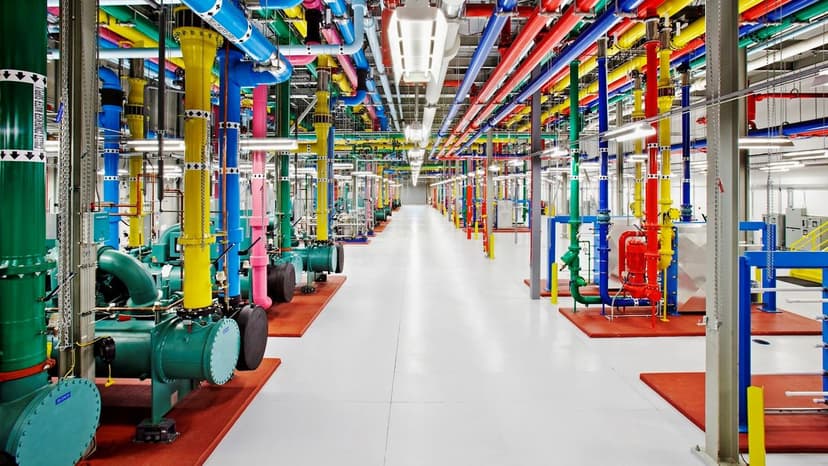
Google's global head of data center energy, Amanda Peterson Corio, has voiced significant concerns about the economic viability of space-based data centers. Corio stated that these orbital facilities could be up to 100 times more expensive than their terrestrial counterparts. This assessment comes as Google itself is testing AI hardware in orbit with its Suncatcher prototype, which runs models on a single TPU chip at a time due to its limited 1kW power supply.
Corio emphasized that the primary obstacles for data center expansion on Earth are not power limitations but rather permitting processes and grid interconnection studies. She suggested that focusing on resolving these terrestrial bottlenecks is more practical than pursuing costly space solutions. Despite these cautionary remarks, companies like SpaceX continue to pursue orbital compute, though their own IPO filings acknowledged significant technical complexities and unproven commercial viability.
This perspective from Google, a major shareholder in SpaceX, adds a layer of complexity to the burgeoning space compute industry. While SpaceX aims to surpass terrestrial compute capacity by late 2028, its business model is underpinned by the promise of cost-effective orbital data centers. Corio's projections suggest a much higher cost structure, potentially impacting the valuation of companies reliant on this future. The debate underscores the significant challenges and unproven economics surrounding the concept of data centers in space.


