Home / Technology / Sony's New Bridge Camera: Alpha-Like Design, Stellar AF
Sony's New Bridge Camera: Alpha-Like Design, Stellar AF
10 Jul
Summary
- New Sony RX10 V boasts upgraded Bionz XR processor for better autofocus.
- Ergonomic design mimics Alpha cameras, features AF joystick and USB-C.
- Priced around $2,400, it targets enthusiasts with deep pockets.
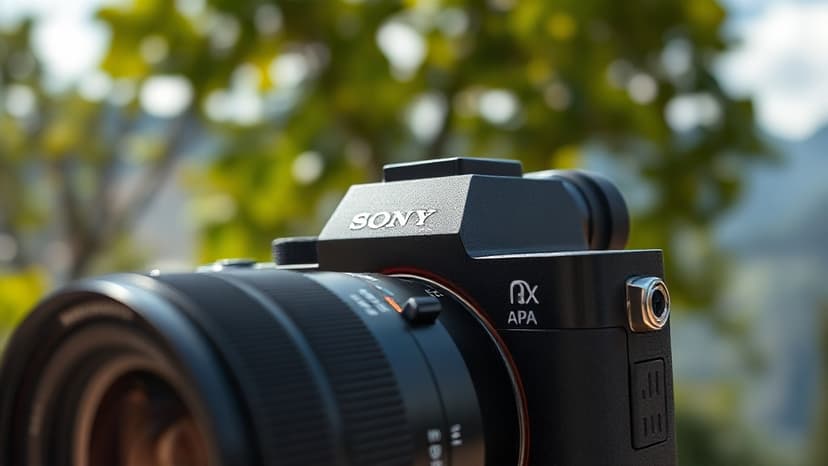
Sony has reintroduced its premium bridge camera series with the RX10 V, marking a significant evolution after a nine-year hiatus. This new model inherits the acclaimed 1-inch 20MP sensor and 24-600mm F2.4-4 lens from its predecessor, the RX10 IV, but integrates Sony's latest Bionz XR processor and an AI chip. These enhancements dramatically improve autofocus performance, burst shooting capabilities, and video features.
The RX10 V features a redesigned control layout and ergonomics, drawing inspiration from Sony's Alpha series cameras. Notable additions include an AF joystick for precise focus point selection, a USB-C terminal, and a larger, higher-resolution electronic viewfinder. The grip has been enlarged to accommodate the NP-FZ100 battery, providing a 50% increase in shot life compared to the RX10 IV.
However, the new model omits certain features found in the RX10 IV, such as a built-in flash and a top LCD screen, which may be a drawback for some users. The lens, while versatile, offers a 25x optical zoom, which is less than some competing bridge cameras. The price point is also a significant factor, with the RX10 V retailing around $2,400 / £2,200, positioning it as a premium option for dedicated enthusiasts, especially in wildlife photography.
In terms of performance, the RX10 V achieves burst shooting speeds of up to 30fps with no viewfinder blackout, supported by an advanced autofocus system with extensive subject detection. Video capabilities have also been enhanced, with 4K recording now available at 60fps (uncropped) or 120fps (cropped), and the inclusion of S-Cinetone and S-Log3 profiles. The camera was announced on July 9, 2026.


