

Home / Technology / Soil Power: Microbes Fuel Future Sensors
Soil Power: Microbes Fuel Future Sensors
19 Apr
Summary
- New fuel cell uses soil microbes to power underground sensors.
- It offers a sustainable alternative to toxic and wasteful batteries.
- The design improves performance in various soil and water conditions.
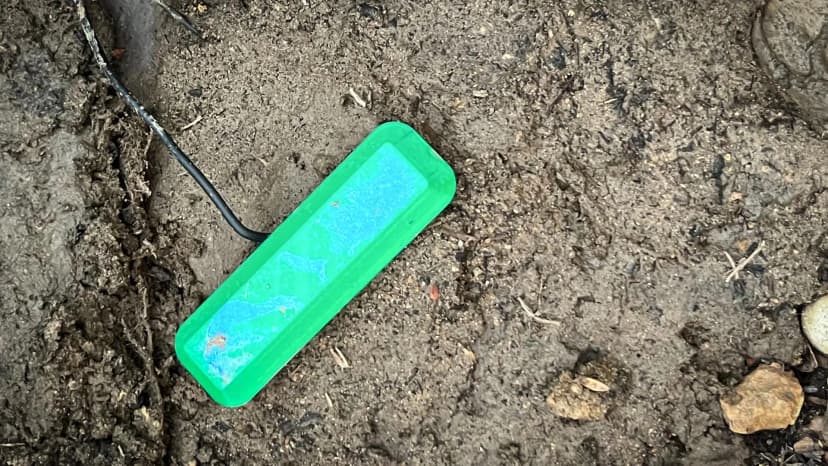
Northwestern University researchers have engineered a novel fuel cell that generates electricity using soil microorganisms, presenting an eco-friendly alternative to conventional batteries. This compact device captures energy from microbes breaking down organic matter, specifically designed to power underground sensors for applications like precision agriculture and environmental monitoring.
This soil-powered system offers a sustainable solution by avoiding the toxic materials and electronic waste associated with traditional batteries. The fuel cell has demonstrated its capability by operating sensors for soil moisture and touch detection, with potential for wildlife monitoring.
The new design features a perpendicular arrangement of its anode and cathode, enhancing oxygen and moisture supply. This configuration ensures sustained operation in dry soil and resilience during flooding, outperforming previous soil microbial fuel cell concepts that struggled with inconsistent performance.
This technology is not intended for large-scale power but is ideal for practical, low-power applications within the growing Internet of Things. The research team has made their designs publicly available, encouraging further development and the creation of fully biodegradable versions.
