Home / Technology / Smartphone Design Stagnant Despite Foldable Hype
Smartphone Design Stagnant Despite Foldable Hype
7 Mar
Summary
- Foldable phones show 14% growth but remain niche at 2.5% market share.
- Novelty phone form factors haven't yet become mainstream staples.
- High prices and practical limitations hinder adoption of unique designs.

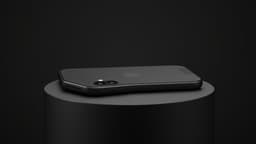
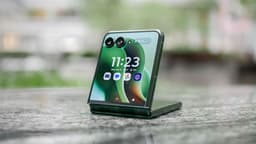
Smartphone manufacturers continue to struggle with design innovation, offering predictable upgrades rather than exciting new aesthetics. While foldable and ultraslim devices generate buzz at tech events like Mobile World Congress, their real-world adoption remains limited. Samsung's Galaxy Z Trifold and Huawei's Mate XTs are available, with concepts like Tecno's Phantom Ultimate G Fold and Honor's Robot Phone on the horizon. However, global foldable phone shipments, despite a 14% year-over-year growth in the third quarter of 2025, constitute merely 2.5% of the overall smartphone market. This indicates that these novel form factors have yet to transition from niche products to mainstream staples. Practicality and price remain significant barriers, with foldable phones costing between $2,000 and $3,000, and slim alternatives often around $1,000, frequently compromising on camera and battery life compared to high-end flat phones. Consumers often prioritize reliable functionality over innovative, yet potentially less practical, designs, leading many to revert to familiar slab phones that meet their everyday needs for features like strong cameras and long battery life. The industry's effort to differentiate through ambitious designs is commendable, but widespread consumer choice beyond predictable models is still some way off.