Home / Technology / Your Smartphone is a Dumb Terminal Again
Your Smartphone is a Dumb Terminal Again
13 Nov
Summary
- Modern smartphones act as terminals, not independent AI supercomputers.
- AI processing is largely offloaded to remote servers, not on-device.
- This reliance on the cloud means features vanish without internet access.
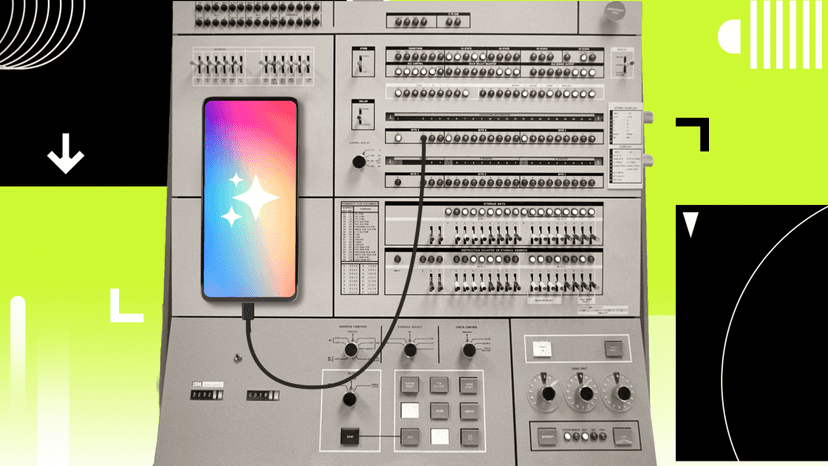
Tech companies are marketing new smartphones as advanced, on-device AI supercomputers, requiring significant RAM. However, this is largely a marketing tactic. No device guarantees 100% cloud-free AI processing; sophisticated tasks are offloaded to remote data centers.
This mirrors 1960s mainframe architecture, where local devices were mere terminals. Modern phones, while capable of minor local tasks like text cleanup, lack the processing power for complex, multi-step AI reasoning. Attempting such tasks locally would exceed thermal limits.
When a prompt demands advanced reasoning, the phone silently routes the request to cloud-based models, like Apple's Private Cloud Compute or Google's Gemini Cloud. This transition is hidden from the user, making the phone appear to be doing the work.
This architecture means users are paying a premium for a conditional subscription to a remote brain, relying on a stable internet connection. Without connectivity, features justifying the upgrade disappear, leaving a high-priced, over-engineered dumb terminal.


