Home / Technology / Smart Motorway Fears Double: Drivers Now Anxious
Smart Motorway Fears Double: Drivers Now Anxious
3 Feb
Summary
- 46% of drivers report anxiety on smart motorways, a significant increase.
- Government cancelled new smart motorway construction in April 2023.
- Drivers feel 'terrified' due to lack of safe breakdown spaces.

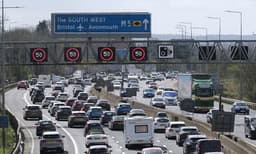
New research indicates a significant surge in driver anxiety concerning 'smart' motorways, with 46 percent now reporting nervousness, a doubling from the previous year. These motorways, characterized by the absence of a hard shoulder, compel drivers to depend on emergency refuge areas spaced approximately three-quarters of a mile apart. This heightened fear emerges despite 'smart' motorways constituting only one-fifth of the national network. In April 2023, the government halted the construction of new 'smart' motorway sections, citing public confidence issues and safety concerns. Motorways where the hard shoulder is converted into a running lane during peak times also saw a rise in anxiety, increasing from 30 to 47 percent. Confidence remains highest on conventional motorways with continuous hard shoulders, though overall motorway anxiety appears to be gradually increasing.
The 'smart' motorway concept began trials on the M42 in the West Midlands two decades ago. The schemes were extended to cover about 17 percent of the motorway network by 2023. Key types include 'All Lanes Running' (ALR), which permanently remove the hard shoulder; 'Controlled Motorways' with a permanent hard shoulder but variable speed limits; and 'Dynamic Hard Shoulder' (DHS), where the hard shoulder operates as a running lane during peak congestion. Drivers experiencing breakdowns on live lanes face critical danger, prompting calls from bodies like the AA for the return of the hard shoulder to improve safety and rebuild public trust.