Home / Technology / Smart Headlights Finally Approved for US Roads
Smart Headlights Finally Approved for US Roads
28 Sep
Summary
- Half of traffic fatalities occur after dark, but only quarter of driving is at night.
- Adaptive headlights use LEDs to precisely illuminate roads, avoiding oncoming drivers.
- US approval came in 2022, but widespread adoption by automakers is slow.
- Adaptive lighting technology has been available in Europe for over a decade.
- Federal regulations for adaptive headlights are strict and complex for automakers.
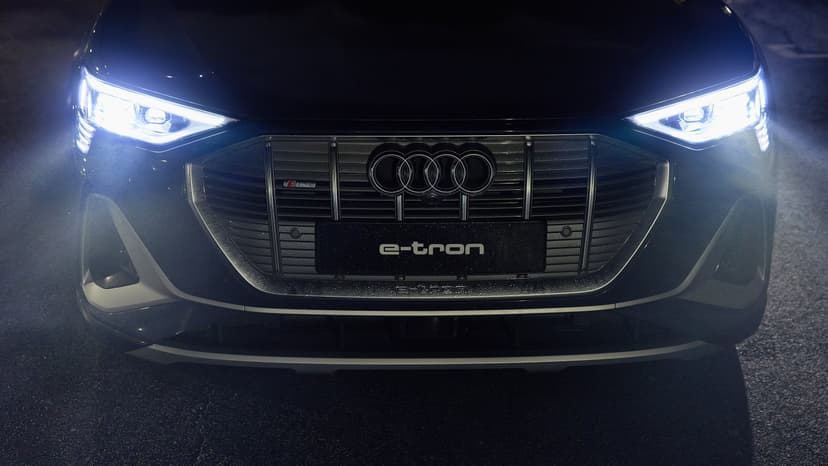
Half of all traffic fatalities occur after dark, yet only a quarter of driving happens at night. Advanced adaptive driving beam (ADB) headlights, which precisely control illumination to enhance visibility and avoid dazzling other drivers, are now approved for U.S. roads. This technology, utilizing individually controlled LEDs, has been available in Europe for over a decade but faced significant regulatory hurdles in the United States. The National Highway Traffic Safety Administration (NHTSA) updated its rules in 2022 to permit ADBs, but automakers find the federal standards demanding. Carlos Montes, lighting systems senior manager at Rivian, noted that U.S. requirements are stricter, focusing on measurable criteria rather than subjective results. Automakers like Rivian, Tesla, Audi, and Volvo are gradually incorporating this technology into their newer models, with some premium brands like Audi and Mercedes-Benz showcasing advanced concepts.
While the technology offers significant safety benefits, such as extended illumination and the potential to display graphics or warnings on the road, its widespread adoption is expected to take years. Some manufacturers, including Tesla, have enabled advanced matrix features through software updates, while others are still evaluating solutions to comply with market-specific regulations. The complexity of federal regulations, such as FMVSS No. 108, has slowed implementation. Despite these challenges, the gradual introduction of ADBs represents a significant step towards improving night-time road safety in the United States, turning a novelty into a potentially life-saving advantage.


