
Home / Technology / Beyond the Wheel: Life with Autonomous Vehicles
Beyond the Wheel: Life with Autonomous Vehicles
30 Apr
Summary
- Self-driving cars could reduce road fatalities significantly.
- By 2035, autonomous taxis may be common in cities.
- Liability remains a major hurdle for widespread adoption.
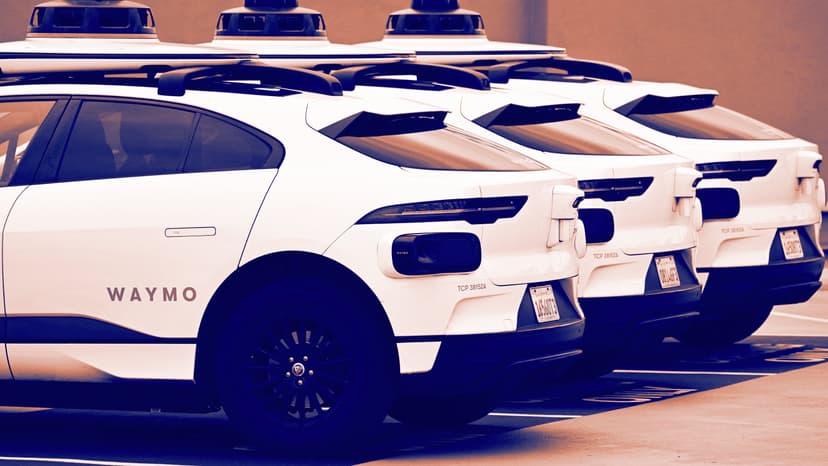
The advent of self-driving cars promises a future with significantly fewer road accidents, as the vast majority of current incidents are attributed to human error. By 2035, it's anticipated that autonomous taxis could be a commonplace feature in North American cities, freeing up millions of hours previously spent driving.
Technological advancements, particularly in AI, are accelerating development, though challenges like severe weather are being addressed through diverse sensor technologies. Companies like Waymo and Tesla are leading the charge, employing different strategies for sensor reliance and cost-effectiveness.
Despite the potential benefits, the issue of liability is a substantial obstacle. Determining who is responsible in the event of an accident involving an autonomous vehicle is crucial for commercial rollout and consumer trust.
While rural areas are unlikely to see widespread adoption soon, suburbs may benefit from robotaxi services. The cultural shift towards shared mobility and potentially fewer privately owned vehicles is a key aspect of this future.
The transition to autonomous vehicles is expected to be gradual, with a focus on safety and public acceptance. Regulatory frameworks and public perception will play vital roles in shaping the timeline and integration of this transformative technology.
