Home / Technology / Retro Console Achieves Stunning Raytracing
Retro Console Achieves Stunning Raytracing
3 Feb
Summary
- Sega Saturn runs real-time raytracing without dedicated hardware.
- Raytracing simulates realistic light interactions for visuals.
- Developers use techniques like binary space partitioning for optimization.
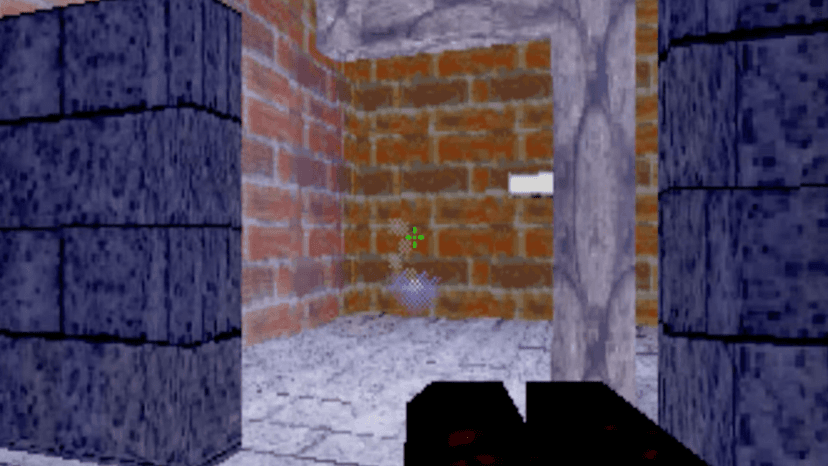
The demoscene community has achieved a significant technical feat by enabling real-time raytracing on the Sega Saturn, a console released in late 1994. This demonstration showcases advanced graphical capabilities on hardware not designed for such demanding tasks.
Raytracing is a computationally intensive technique that simulates how light interacts with objects in a 3D scene to create realistic lighting and shadows. Modern systems rely on dedicated hardware for this, but the Saturn's success highlights the ingenuity of developers working with limited resources.
The implementation reportedly uses binary space partitioning, a method for recursively dividing scene space to determine object visibility. This technique, famously employed in engines like Quake, allows for complex visual effects on older consoles.