Home / Technology / Russia's Satellite Chasing: Starlink Under Threat?
Russia's Satellite Chasing: Starlink Under Threat?
9 Oct
Summary
- Russian military satellites maneuvered near a commercial radar-imaging satellite.
- Germany warns these actions could threaten commercial constellations like Starlink.
- Russia may use 'grey-zone' tactics to disrupt satellites without direct attack.
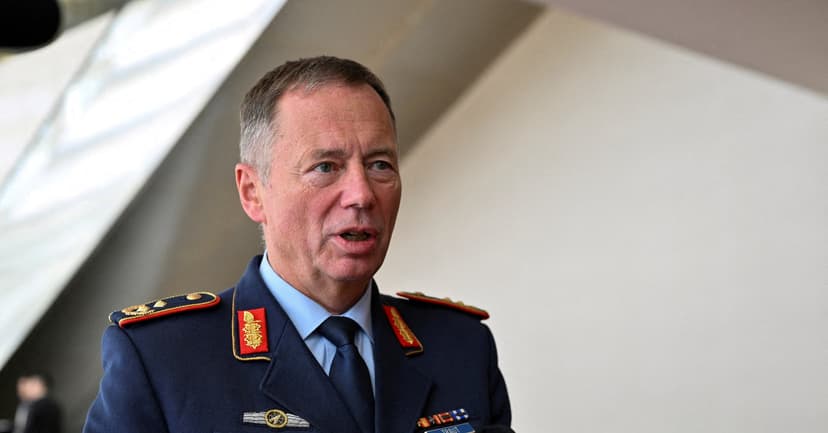
Russian military satellites maneuvered close to a Western commercial satellite earlier this year, an action that a German space commander warned could threaten constellations like Starlink. The satellites, identified as Cosmos 2610 through 2613, approached a Finland-based ICEYE satellite, which provides battlefield intelligence.
Germany's space commander, Michael Traut, expressed significant concern that Russia could disrupt services for users, including Ukraine, even without a direct attack. This underscores Western militaries' increasing dependence on commercial satellite networks and prompts questions about their security.
Officials report that Russia's interference in Western space systems has escalated since its full-scale invasion of Ukraine in 2022. These tactics include jamming and on-orbit trailing, likely for intelligence gathering and testing Western responses.
Russia's defense ministry has not commented on the satellite activity. Moscow has previously stated that Western satellites aiding Ukraine could become legitimate targets. SpaceX, operator of Starlink, has not responded to requests for comment.
Commander Traut suggested Russia might use "grey-zone" tactics, such as a satellite breaking apart near a Starlink orbital path, forcing fuel-consuming avoidance maneuvers that could shorten satellite lifespans. This Russian activity has raised concerns for Starlink, the world's largest satellite constellation.
Germany is developing inspector satellites and considering orbital weapons to counter hostile space activity. Additionally, Germany has contracted ICEYE and a German company to build dozens of new satellites to support NATO's eastern flank.


