Home / Technology / Roku City: A Purple Paradise of Pop Culture
Roku City: A Purple Paradise of Pop Culture
3 Aug
Summary
- Roku City's screen saver became popular during the pandemic.
- Fans discover pop-culture Easter eggs and nostalgic references.
- Interactive ad partnerships are integrated into the city's landscape.
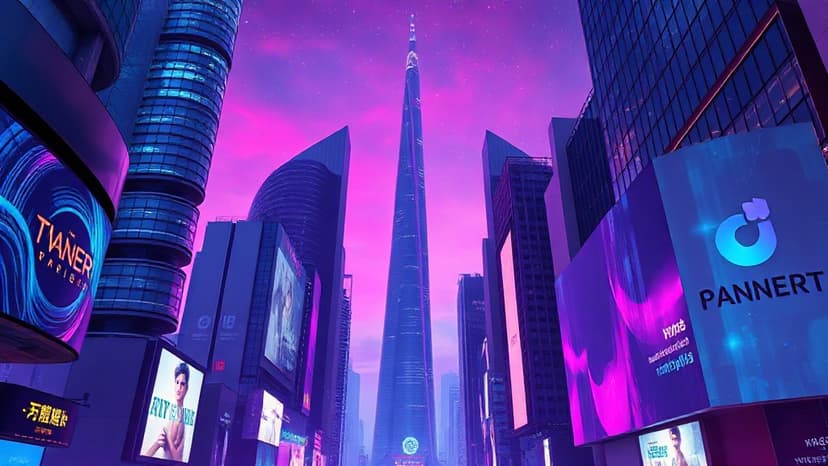
Launched in 2017, Roku City is a unique, violet-hued screen saver for a popular streaming platform, attracting over 100 million viewers. This digital metropolis, filled with brownstones, diners, and skyscrapers, serves as both an imaginative advertising canvas and a significant branding opportunity.
The city is renowned for its hidden Easter eggs, featuring over 40 pop-culture moments and nostalgic references, with new topical additions made within hours. Viral figures like Jimothy the raccoon and Punch the monkey have made appearances, generating significant social media buzz. The screen saver gained substantial popularity during the pandemic, amplified by viral social media posts.
Interactivity is key in Roku City, with new themed areas like pirate ships and volcanoes introduced. While Roku is available globally, attempts to localize the city's appearance in places like London or Brazil were deemed too literal. Instead, the city remains a suggestive, non-specific environment, heavily relying on nostalgia and classic film references.
Advertising is seamlessly integrated into Roku City through billboards and thematic takeovers. Brands like Trojan and Universal have utilized the space, while campaigns for artists like Demi Lovato and promotions for films like 'Wicked' have allowed viewers to interact within the city. Roku monitors feedback to ensure ads enhance, rather than overpower, the user experience, making it a high-impact, creative advertising opportunity.


