Home / Technology / Robotaxi Eyes: What's Inside Your Self-Driving Car?
Robotaxi Eyes: What's Inside Your Self-Driving Car?
2 Oct
Summary
- Self-driving cars use internal cameras for safety and rule enforcement.
- Riders must often agree to broad terms of service for data usage.
- Lack of clear regulations leaves passengers trusting companies' data handling.
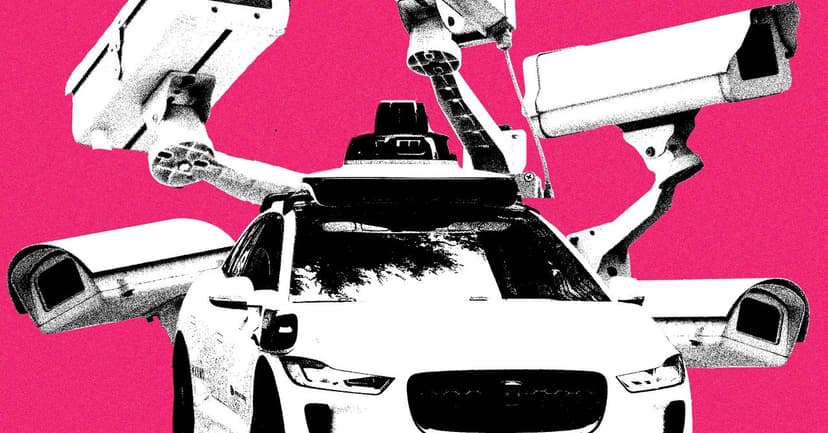
Self-driving vehicles, including those from Waymo, Zoox, and Tesla, are increasingly equipped with interior cameras. While companies state these cameras are primarily for safety, rule enforcement, and improving services, their extensive data collection practices are drawing scrutiny.
A recent incident in California where Waymo passengers were mistakenly reported to be firing a weapon underscored the capabilities of these internal surveillance systems. The car's automated technology can detect potential threats, though in this case, the 'gun' was a water pellet toy.
Privacy policies for robotaxis often grant companies broad rights to use in-cabin footage for various purposes, from checking cleanliness to developing new products. However, a lack of clear federal regulations in the U.S. means passengers must largely trust companies with their data.
Companies like Zoox state that interior cameras record entire rides, while Tesla allows riders to opt-in to data sharing. Some past incidents, such as Tesla employees improperly sharing vehicle footage, have raised further alarms about data security and misuse.
Experts like Matthew Guariglia from the Electronic Frontier Foundation emphasize the growing data collection by automakers and the need for stronger consumer privacy laws. His advice to passengers is to "behave as if there's a jumpy person in the front seat."


