Home / Technology / Robot Lips Sync: Bridging the Uncanny Valley
Robot Lips Sync: Bridging the Uncanny Valley
15 Jan
Summary
- New research synchronizes robot lip movements with speech for realism.
- An AI model analyzes audio to generate natural-sounding mouth motions.
- Robots are being designed to reduce the 'uncanny valley' effect.
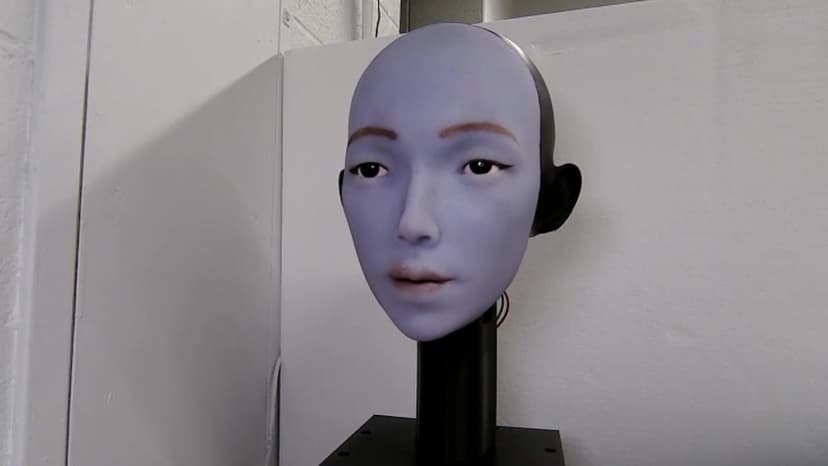
The 'uncanny valley' phenomenon, a feeling of unease from human-like robots, is being addressed by new research focused on realistic speech synchronization. Columbia University has developed a technique that precisely matches a robot's lip movements to its audio output, a critical aspect previously neglected in robotics. This innovation is key to enhancing human-robot interaction.
The core of this advancement lies in an AI model trained to generate motor commands for mouth motions directly from audio signals, regardless of language. This allows robot faces, like the Emo prototype, to speak and sing with a wide range of lip shapes, effectively reducing the unsettling feeling associated with unnatural speech. The system focuses on sound patterns rather than language meaning.
As robots become more integrated into daily life, their ability to communicate naturally is paramount. This research contributes significantly to human-robot interaction, paving the way for more accepted and less unsettling humanoid robots in homes and workplaces. Future developments aim to ensure robots are distinguishable from humans while fostering comfortable coexistence.