Home / Technology / RGB Mini-LED TVs: Hype vs. Reality
RGB Mini-LED TVs: Hype vs. Reality
7 Mar
Summary
- RGB Mini-LED TVs claim advanced color, but often default to white backlights.
- Tests show surpassing Rec.2020 color space, but only with specific patterns.
- Real-world content performance is the true test for Mini-RGB TV color saturation.
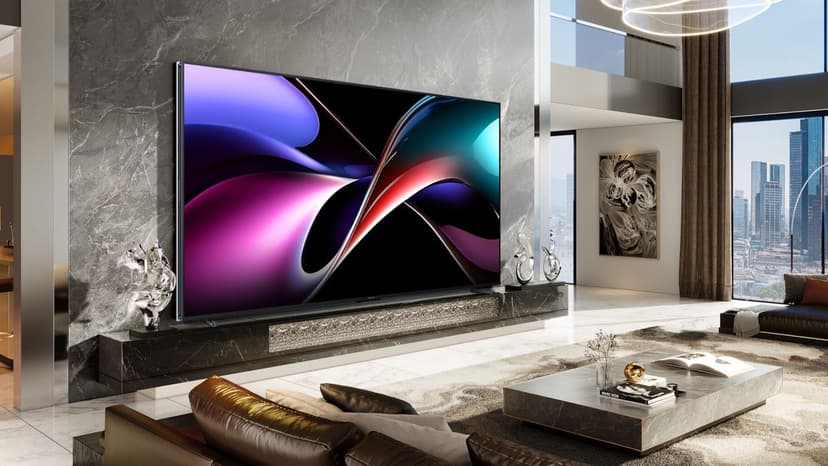
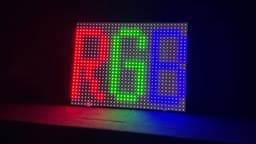
New RGB Mini-LED technologies, introduced at CES 2026, promise enhanced color saturation. Companies market these TVs with claims of superior color coverage, sometimes surpassing the Rec.2020 color space in specific tests. This impressive lab performance, however, is often achieved only when displaying test patterns.
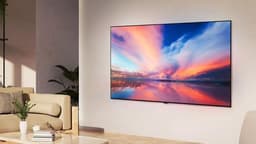
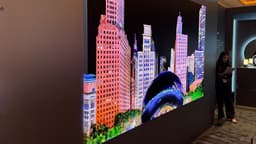
In reality, many RGB Mini-LED TVs revert to a standard white backlight or a combination of fewer LED colors when displaying regular content. This compromises the vibrant color output advertised. While flagship models from Samsung and LG demonstrate the technology's potential, it's not yet widely implemented.
Distinguishing between effective and less effective RGB Mini-LED TVs depends on their implementation. Models with more dimming zones and better processors are expected to utilize the RGB LEDs more effectively, leading to richer colors. Ultimately, real-world content performance will determine the value of these new TVs, especially given their premium pricing.