Home / Technology / Proton VPN's Quantum Leap: Privacy Future Now
Proton VPN's Quantum Leap: Privacy Future Now
6 Jan
Summary
- Proton VPN doubled free server locations to 10 in 2025.
- A new in-house architecture improves speed, reliability, and anti-censorship.
- The company is preparing for post-quantum encryption to protect against future threats.
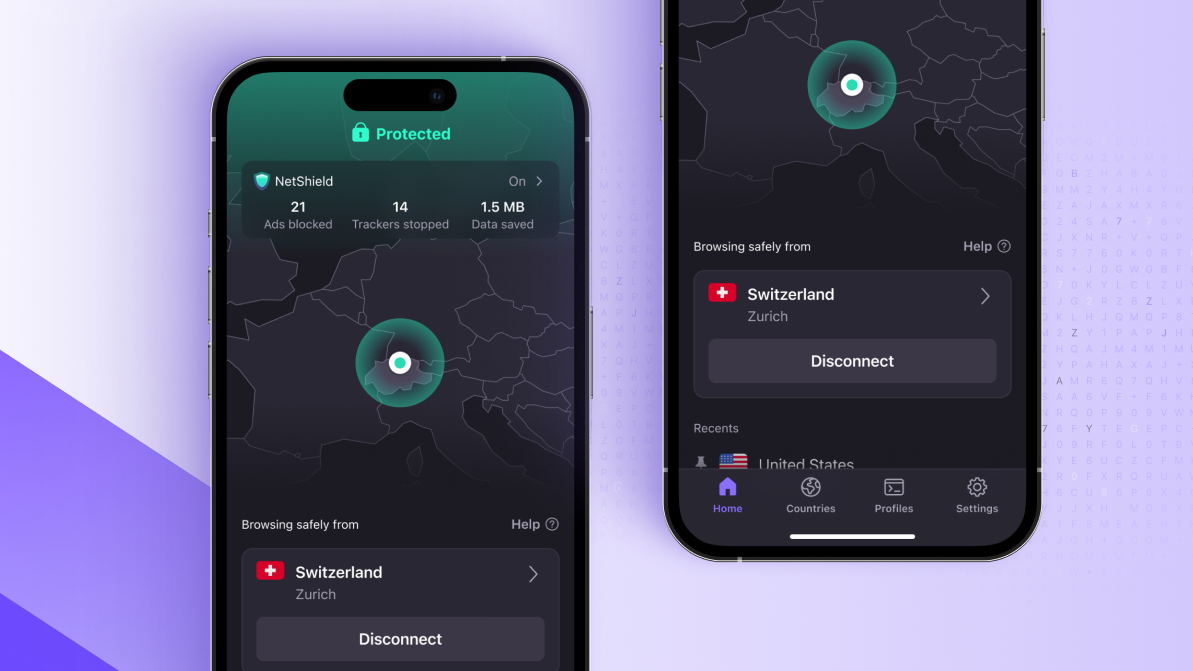
In 2025, Proton VPN navigated a challenging digital privacy landscape marked by increased surveillance and age verification laws. The company enhanced its free service by doubling server locations to 10, improving access in regions facing internet restrictions. Development also focused on platform parity, with ad and malware blocker NetShield arriving on Apple TV and a new Linux command-line interface being released in late October 2025.
The most significant shift was the October 2025 announcement of an in-house VPN architecture. This move aims to overcome limitations of off-the-shelf protocols, promising better speeds, reliability, and anti-censorship capabilities. Crucially, it lays the groundwork for Post-Quantum Encryption (PQE), a proactive measure against future 'harvest now, decrypt later' attacks.
Looking ahead to 2026, Proton VPN plans to deploy its new architecture network-wide and further develop its Linux CLI. The company's commitment to privacy, including its open-source approach and independent audits, positions it strongly against escalating digital threats and regulatory overreach.