Home / Technology / Proteus Space Achieves TRL9 with Record 9-Month Satellite Launch
Proteus Space Achieves TRL9 with Record 9-Month Satellite Launch
2 Dec
Summary
- Proteus Space launched MERCURY ONE in just nine months, validating its AI platform.
- The satellite achieved TRL9 flight heritage, proving its readiness for space.
- A Leonardo DRS payload was integrated after the design review, showcasing flexibility.
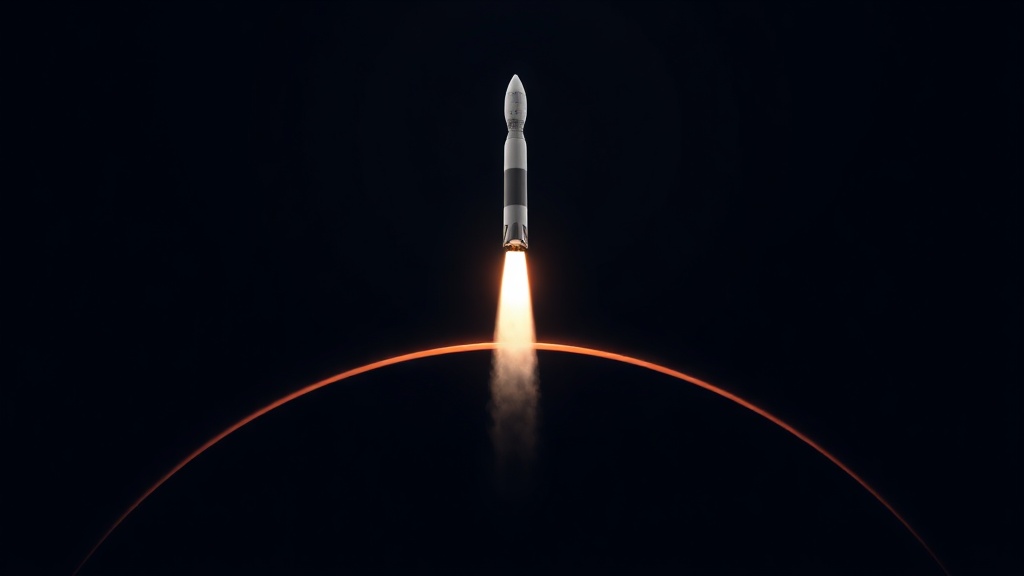
Proteus Space announced the successful launch and first contact of its MERCURY ONE satellite, a four-payload ESPA class spacecraft. The mission achieved TRL9 flight heritage, validating the company's MERCURY™ AI-enabled, rapid satellite design platform. This entire process, from initial design to launch qualification, was completed in an astonishing nine months, marking a significant acceleration in space technology development. Proteus Space managed all aspects of the mission in-house, offering a single-source solution for payload and mission owners.
The success was made possible by the MERCURY™ platform, which leverages AI for ultra-rapid, payload-tailored satellite design and assembly, test, and integration (AI&T). This technological paradigm shift allows for complex mission designs to be executed and validated at machine speed. A key highlight was the integration of a Leonardo DRS radio payload after the Preliminary Design Review, just seven months before launch, a feat difficult with traditional methods.
Proteus Space CEO David Kervin expressed pride in the team's accomplishment, emphasizing how the MERCURY™ platform drove down costs and risks, enabled by seed capital and SBIR funding. The company plans to offer a beta SaaS version of MERCURY™ commercially and for government customers by the end of next year, signaling a potential watershed moment for the space industry.