Home / Technology / AI Helps Revive Classic Music App Vision
AI Helps Revive Classic Music App Vision
19 Feb
Summary
- New app Parachord aims to make songs universally playable across services.
- AI tools aided in rewriting code for the new music app.
- The app revives ideas from the defunct Tomahawk music platform.
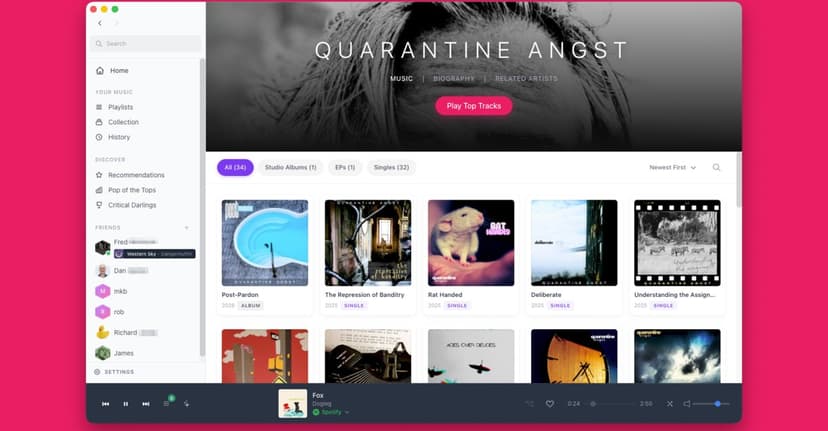
A new music application, Parachord, is emerging with the ambitious goal of making songs universally playable and shareable, irrespective of subscription services. This innovative app seeks to liberate music metadata from individual streaming silos, a concept previously explored by its predecessor.
Parachord is built upon the legacy of Tomahawk, a music app that operated from 2011 until around 2015. The original Tomahawk utilized a plug-in architecture to access music libraries from services like Rdio and Grooveshark, incorporating a social layer for fans.
In a significant technological advancement, AI tools, specifically Claude Code, were employed to rewrite Tomahawk's open-source code. This effort, led by a music tech veteran, successfully transformed the old codebase into a working version of the new Parachord app within weeks.
While the music industry has consolidated around major streaming platforms like Spotify, Parachord targets a more niche audience. These users actively engage with music through platforms like Bandcamp and Last.fm, valuing a personalized and connected listening experience.
The development of Parachord highlights the impact of 'vibe-coding,' enabling niche passion projects to thrive. Unlike past efforts hindered by business model challenges, modern tools allow for the creation of highly personalized apps, even for a singular user.
Parachord's architecture relies on personal API keys for service integrations, reducing resource needs. This approach avoids the necessity of limiting features to paid tiers, as the app is developed as a personal project, emphasizing individual music taste and libraries outside of walled gardens.