Home / Technology / Future of Driving: Own Your Own Robot Car?
Future of Driving: Own Your Own Robot Car?
3 Dec, 2025
Summary
- Companies aim to sell privately owned autonomous vehicles.
- High costs and maintenance challenges are significant hurdles.
- Consumer acceptance and vehicle aesthetics remain key concerns.
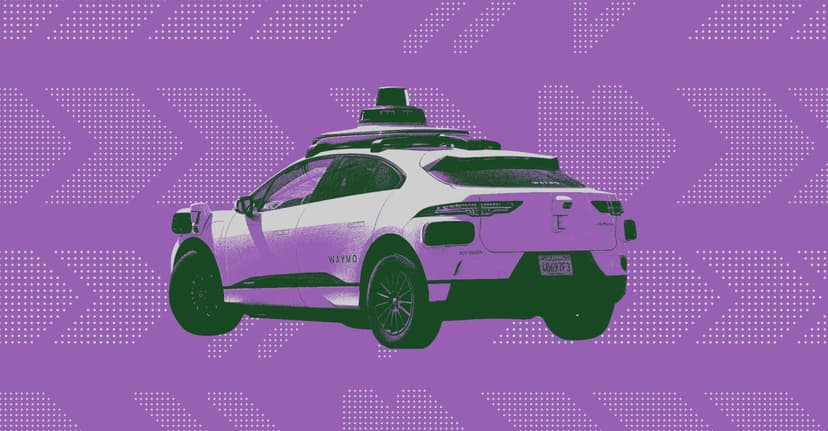
The automotive industry is increasingly exploring the concept of privately owned autonomous vehicles, moving beyond the current robotaxi model. Companies, ranging from giants like Waymo and Tesla to newer players like Tensor, are investing heavily, driven by a vision of individual ownership of self-driving cars. This ambition faces substantial technological, legal, and practical obstacles that have long been considered insurmountable for personal use.
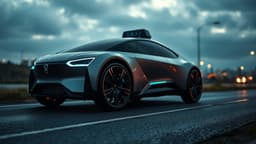
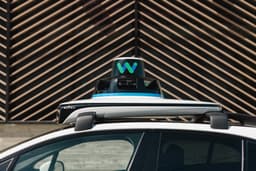
Key challenges include the immense cost and complexity of the technology, with sensors and computing power historically costing hundreds of thousands of dollars. While equipment costs are decreasing, the daily maintenance and calibration of these sophisticated systems pose a significant question for average consumers. Furthermore, the aesthetics of sensor-laden vehicles could deter buyers, as 'ugly cars are not sold,' according to industry experts.
Industry experts suggest potential solutions like fractional ownership models or advanced self-cleaning sensors, but widespread adoption hinges on consumer acceptance. Surveys indicate deep skepticism towards autonomous vehicles, suggesting the industry may be outpacing customer readiness. Geopolitical competition in AI leadership also fuels investment, regardless of immediate consumer demand.